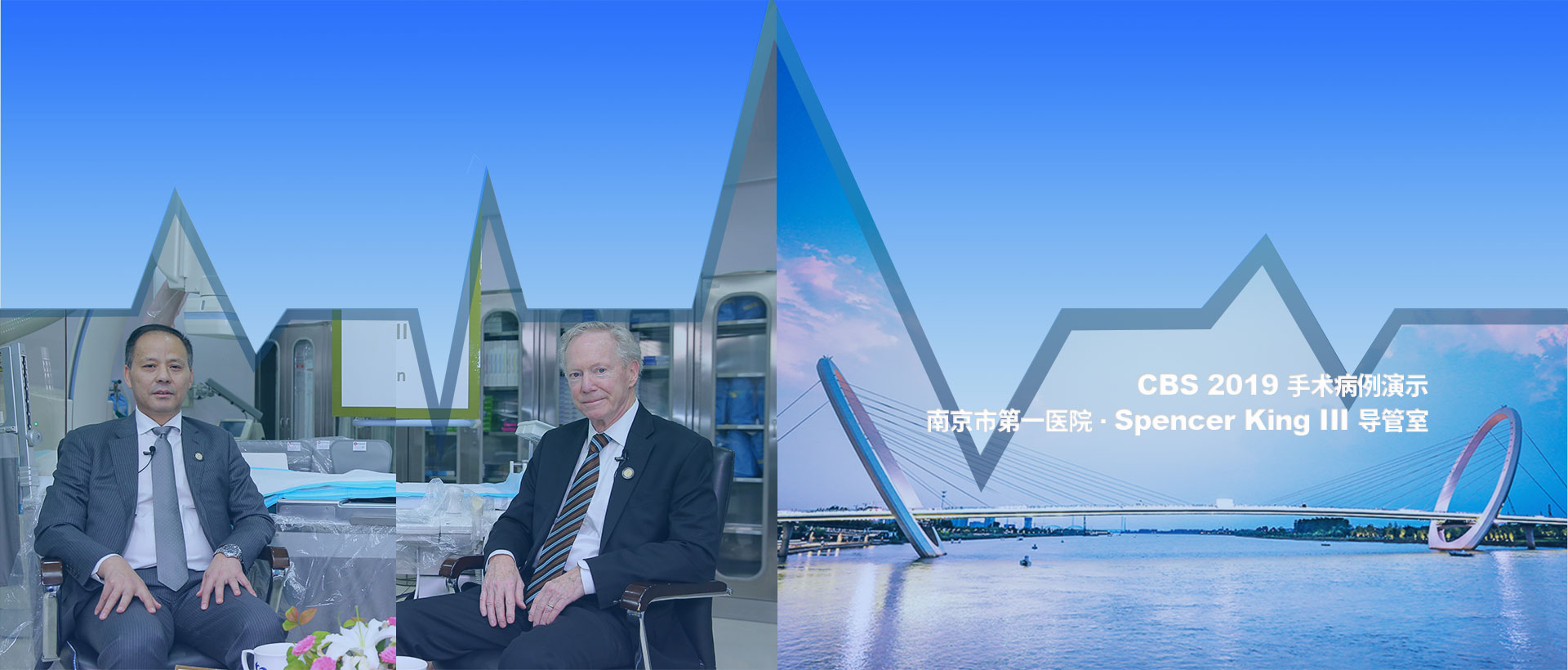
CBS 2019
CBSMD教育中心
English

光学相关断层扫描

科研文章

荐读文献

Intracoronary Optical Coherence Tomography 2018: Current Status and Future Directions Fate of post-procedural malapposition of everolimus-eluting polymeric bioresorbable scaffold and everolimus-eluting cobalt chromium metallic stent in human coronary arteries: sequential assessment with optical coherence tomography in ABSORB Japan trial Optical coherence tomography findings: insights from the “randomised multicentre trial investigating angiographic outcomes of hybrid sirolimus-eluting stents with biodegradable polymer compared with everolimus-eluting stents with durable polymer in chronic total occlusions” (PRISON IV) trial Combining IVUS and Optical Coherence Tomography for More Accurate Coronary Cap Thickness Quantification and Stress/Strain Calculations: A Patient-Specific Three-Dimensional Fluid-Structure Interaction Modeling Approach Comparison of Stent Expansion Guided by Optical Coherence Tomography Versus Intravascular Ultrasound: The ILUMIEN II Study (Observational Study of Optical Coherence Tomography [OCT] in Patients Undergoing Fractional Flow Reserve [FFR] and Percutaneous Coronary Intervention) Optical coherence tomography imaging during percutaneous coronary intervention impacts physician decision-making: ILUMIEN I study Intracoronary Optical Coherence Tomography-Derived Virtual Fractional Flow Reserve for the Assessment of Coronary Artery Disease Optical coherence tomography compared with intravascular ultrasound and with angiography to guide coronary stent implantation (ILUMIEN III: OPTIMIZE PCI): a randomised controlled trial Randomized comparison of stent strut coverage following angiography- or optical coherence tomography-guided percutaneous coronary intervention Vascular response and healing profile of everolimus-eluting bioresorbable vascular scaffolds for percutaneous treatment of chronic total coronary occlusions: A one-year optical coherence tomography analysis from the GHOST-CTO registry

Clinical Trial2018 Aug 27;11(16):1559-1571.

JOURNAL:JACC Cardiovasc Interv. Article Link

Long-Term Coronary Functional Assessment of the Infarct-Related Artery Treated With Everolimus-Eluting Bioresorbable Scaffolds or Everolimus-Eluting Metallic Stents: Insights of the TROFI II Trial

Gomez-Lara J, Brugaletta S, Ortega-Paz L et al. Keywords: ST-segment elevation myocardial infarction; bioresorbable vascular scaffolds; drug-eluting stent(s); endothelial dysfunction; optical coherence tomography

ABSTRACT


OBJECTIVES - The study sought to compare the vasomotor and microcirculatory function of the infarct-related artery (IRA) between bioresorbable vascular scaffolds (BVS) and everolimus-eluting stents (EES) at 3 years.


BACKGROUND - The ABSORB STEMI TROFI II study showed similar outcomes between BVS and EES in the context of ST-segment elevation myocardial infarction at 3 years.

METHODS - Sixty-three consecutive event-free patients of the randomized TROFI II study were screened to undergo coronary angiography with vasomotor, microcirculatory, and optical coherence tomography (OCT) examination at 3 years. Vasomotion was defined as >4% change in mean lumen diameter to acetylcholine (ACH) and nitroglycerin as assessed by quantitative angiography. Microcirculatory examination was performed with pressure or thermodilution techniques.

RESULTS - A total of 38 patients (20 BVS and 18 EES) were included. At 3 years, ≥60% of patients exhibited paradoxical vasoconstriction to ACH in the periscaffold or stent segments. Vasoconstriction to ACH and vasodilatation to nitroglycerin were more often observed in the scaffold or stent segment with BVS than with EES (77.8% vs. 25.0%; p = 0.008 and 61.1% vs. 18.8%; p = 0.018). The IRA-depending microcirculation showed similar index of resistance (23.8 vs. 22.4; p = 0.781), coronary flow reserve (2.4 vs. 1.9; p = 0.523), fractional flow reserve (0.91 vs. 0.93; p = 0.317), and absolute flow (135.5 ml/min vs. 147.3 ml/min; p = 0.791). OCT showed remaining strut footprints and larger number of intraluminal scaffold dismantling (26.3% vs. 0%; p = 0.049) in the BVS group.

CONCLUSIONS - Both endothelium-dependent and -independent vasomotion of the IRA were more evident with BVS, as compared with EES, at 3 years. Functional microcirculatory parameters were mostly adequate and similar between BVS and EES. Clinical implications of these findings warrant further investigations.

Copyright © 2018 American College of Cardiology Foundation. Published by Elsevier Inc. All rights reserved.