


 English


 +86-13913895477
 cbsnj@cbsmd.cn
 江苏省南京市秦淮区长乐路68号,南京市心血管病医院9号楼905区心内科办公室
 210006




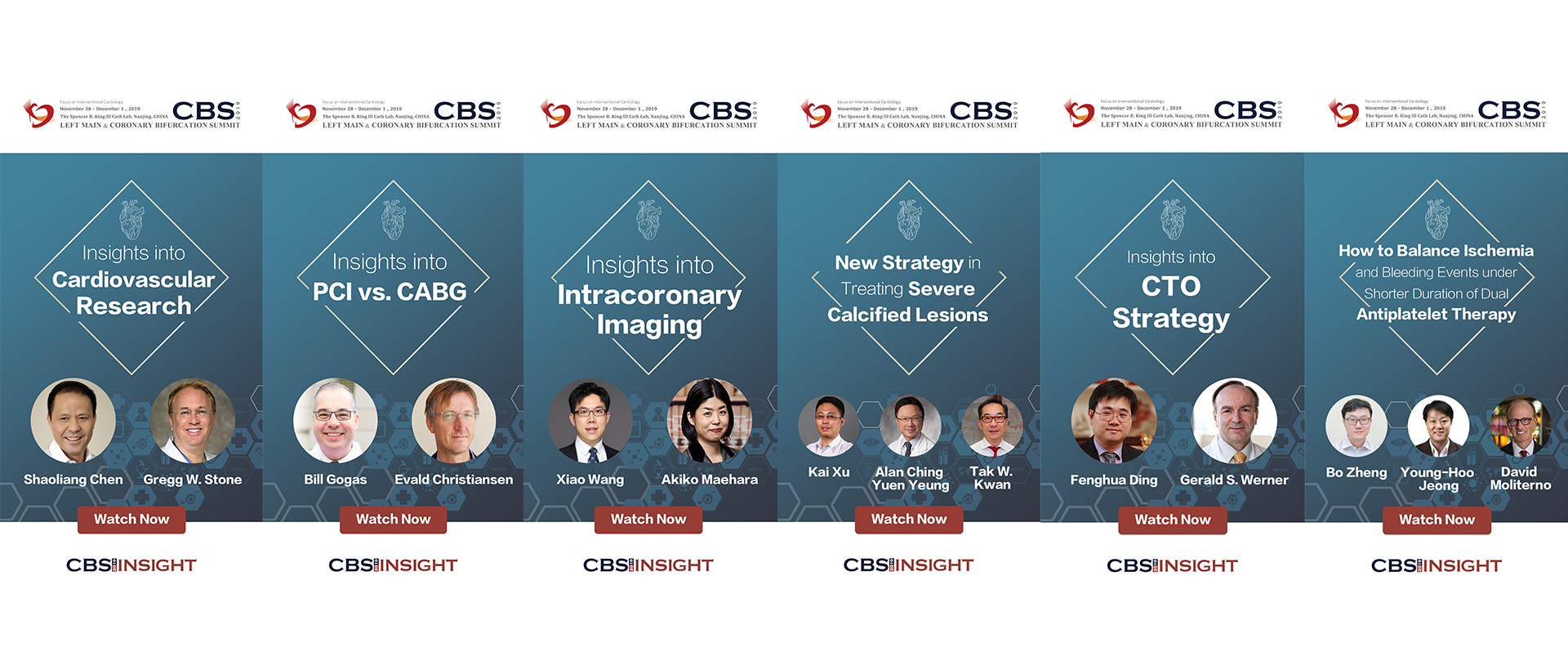
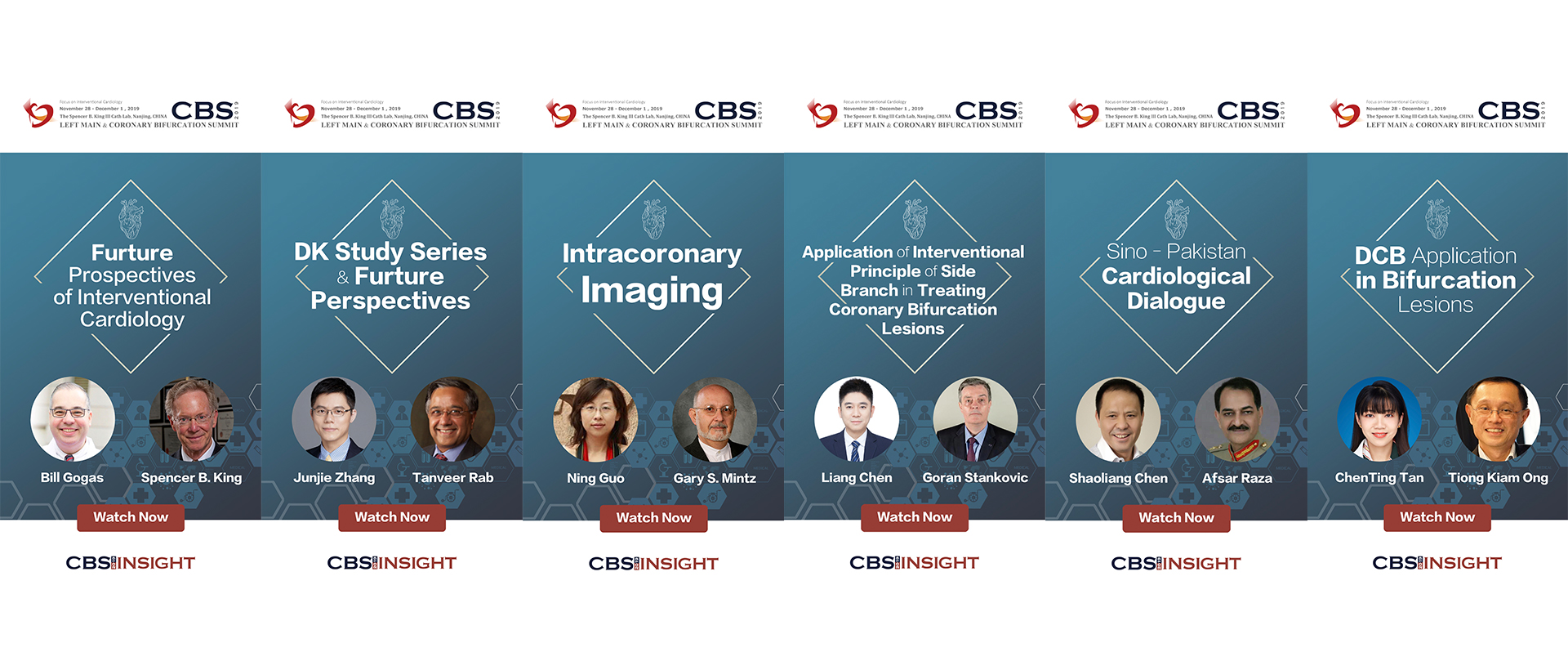

The 15th European Bifurcation Club (EBC) meeting was held in Barcelona in October 2019 and it facilitated a renewed consensus on coronary bifurcation lesions (CBL) and unprotected left main (LM) percutaneous interventions.
Bifurcation stenting techniques continue to be refined, developed and tested. It remains evident that provisional approach with optional side-branch treatment utilising T, T and small protrusion (TAP) or culotte continue to provide flexible options for the majority of CBL patients. Debate persists regarding the optimal treatment of side branches, including assessment of clinical significance and thresholds for bail-out treatment. In more complex CBL, especially when involving the LM, adoption of dedicated 2-stent techniques should be considered. Operators using such techniques have to be fully familiar with their procedural steps and should acknowledge associated limitations and challenges. When using 2-stent techniques, failure to perform a final kissing inflation is regarded as a technical failure, since it may jeopardize clinical outcome.
The development of novel technical tools and drug regimens deserve attention. In particular, intra-coronary imaging, bifurcation simulation, drug-eluting balloon technology and tailored anti-platelet therapy are identified as promising tools to enhance clinical outcomes.
In conclusion, the evolution of a broad spectrum of bifurcation PCI components have resulted from studies extending from bench testing to randomised controlled trials. However, further advances are still needed to achieve the ambitious goal of optimizing the clinical outcomes for every patient undergoing PCI on a CBL.


 CBS 2019
 CBS 2019 主席团
 教育中心
教育中心 科研动态
科研动态


