CBS 2019


CBSMD教育中心


HOME


CBS 2019
At CBS


General Information
Association and Affiliations
Organized by
Nanjing Heart Center
Asian Bifurcation Club (ABC)
Nanjing First Hospital, Nanjing Medical University
Co-organized by
Chinese Society of Cardiology (CSC)
Capacity Building and Continuing Education Center,National Health and Family Planning Commission (CBCEC)
American Society for Cardiovascular Angiography and Interventions (SCAI)
Asian Heart Society (AHS)
Contact Us
Registration Administration of Domestic Representatives
Hongjuan Peng : +86-13913895477
Haimei Xu +86-13914736846
 cbsnj@cbsmd.cn
Registration Administration of Overseas Representatives
Ling Lin : +86 (25) 52271398
+86-13951884596
cbs@cbsmd.cn
Management of Challenging Cases
Yingying Zhao :+86-13815408517
sub@cbsmd.cn
Address
 CBS2019 Congress Secretariat, Nanjing First Hospital, Building No.9 68# Changle Road, Nanjing, China
 210006


FACULTY
FACULTY
General Chairman
Congress Chairman


Education Center
Education Center
• Online Education (For more customized user interface with self-defined collection of research papers and education resources.)
• CBS Education Resource


• CBSMD Scientific Library


SCIENTIFIC LIBRARY
SCIENTIFIC LIBRARY


Research Paper
> Acute Coronary Syndrom
> ASCVD Prevention
> Bifurcation Stenting
> Cardio-Oncology
> Congestive Heart Failure
> DAPT Duration
> Drug Coated Balloon
> Fractional Flow Reserve
> IVUS Guidance
> Optical Coherence Tomography
> Pulmonary Hypertension
> Rotational Atherectomy
> Shear Stress
> Stenting Left Main
> Transcatheter Aortic Valve Replacement
> Percutaneous LAA Occlusion
> Mitral/Tricuspid Valvular Disease
> Other Relevant Articles
Recommended Paper
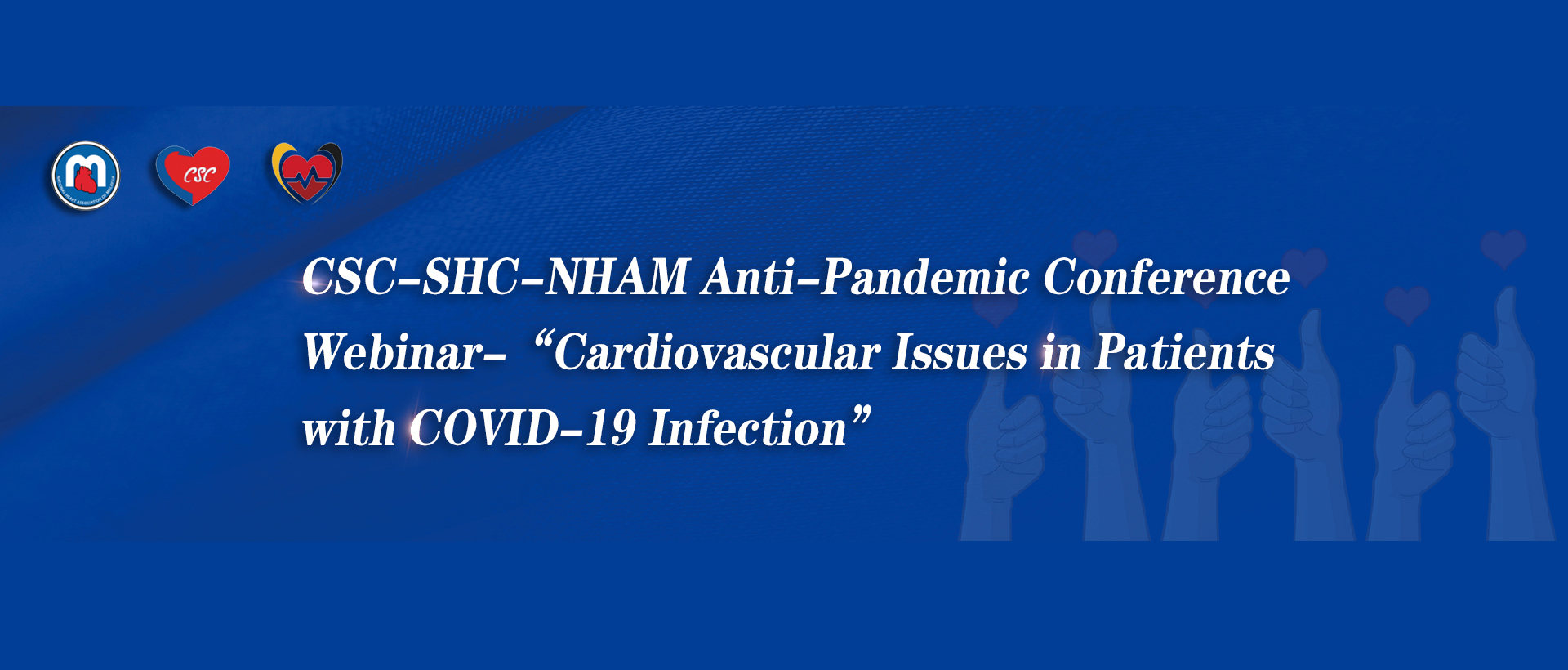
Management of Acute Myocardial Infarction During the COVID-19 Pandemic
COVID-19 and Thrombotic or Thromboembolic Disease: Implications for Prevention, Antithrombotic Therapy, and Follow-up
CSC Expert Consensus on Principles of Clinical Management of Patients with Severe Emergent Cardiovascular Diseases during the COVID-19 Epidemic
ACC Clinical Bulletin Focuses on Cardiac Implications of Coronavirus (COVID-19)
Acute Coronary Syndrom
Original Research2015 Sep;170(3):506-15.e1.
JOURNAL:Am Heart J. Article Link
Zhang H, Jiang L, China PEACE Collaborative Group. Keywords: AMI; early β-blocker therapy; China PEACE
BACKGROUND - Since 2007, clinical practice guidelines have recommended β-blocker therapy early in the course of acute myocardial infarction (AMI) for patients who are not at high risk for complications. Our objective was to perform a national quality assessment of early β-blocker use during hospitalization for AMI over the past decade in China.
METHODS - We conducted medical record review of a nationally representative sample of patients admitted to Chinese hospitals with AMI and studied those without absolute contraindications to β-blocker therapy in 2001, 2006, and 2011. We evaluated the use, type, and dose of β-blockers within the first 24 hours of admission over time and identified predictors of not using this treatment both in ideal candidates and in those with risk factors for cardiogenic shock.
RESULTS - Among 14,241 patients with AMI (representing 43,165 patients in 2001, 106,167 patients in 2006, and 221,874 patients in 2011 in China, respectively), 45.1% had no contraindications to early β-blocker therapy; 21.1% had risk factors for cardiogenic shock but no absolute contraindication. β-blocker use in ideal patients was 54.3% in 2001, 67.8% in 2006, and 61.8% in 2011 (P = .28 for trend). Predictors of nontreatment were older age, lower systolic blood pressure, lower heart rate, absence of chest discomfort, and admission to a nonteaching hospital. Use in patients with risk factors for cardiogenic shock was 42.6% in 2001, 59.5% in 2006, and 52.9% in 2011 (P = .31 for trend). Metoprolol was used most frequently (91.5%), but dosages were often below those recommended in guidelines.
CONCLUSIONS - The use of early β-blocker therapy for patients with AMI in China is suboptimal, with underuse in patients who could benefit and substantial use among those who might be harmed. Patterns of use have not changed over time, thus creating an important target of efforts to improve quality of care for AMI.
TRIAL REGISTRATION - ClinicalTrials.gov NCT01624883.
Copyright © 2015 The Authors. Published by Elsevier Inc. All rights reserved.


 中 文
中 文





 CBS 2019
 CBS 2019 FACULTY
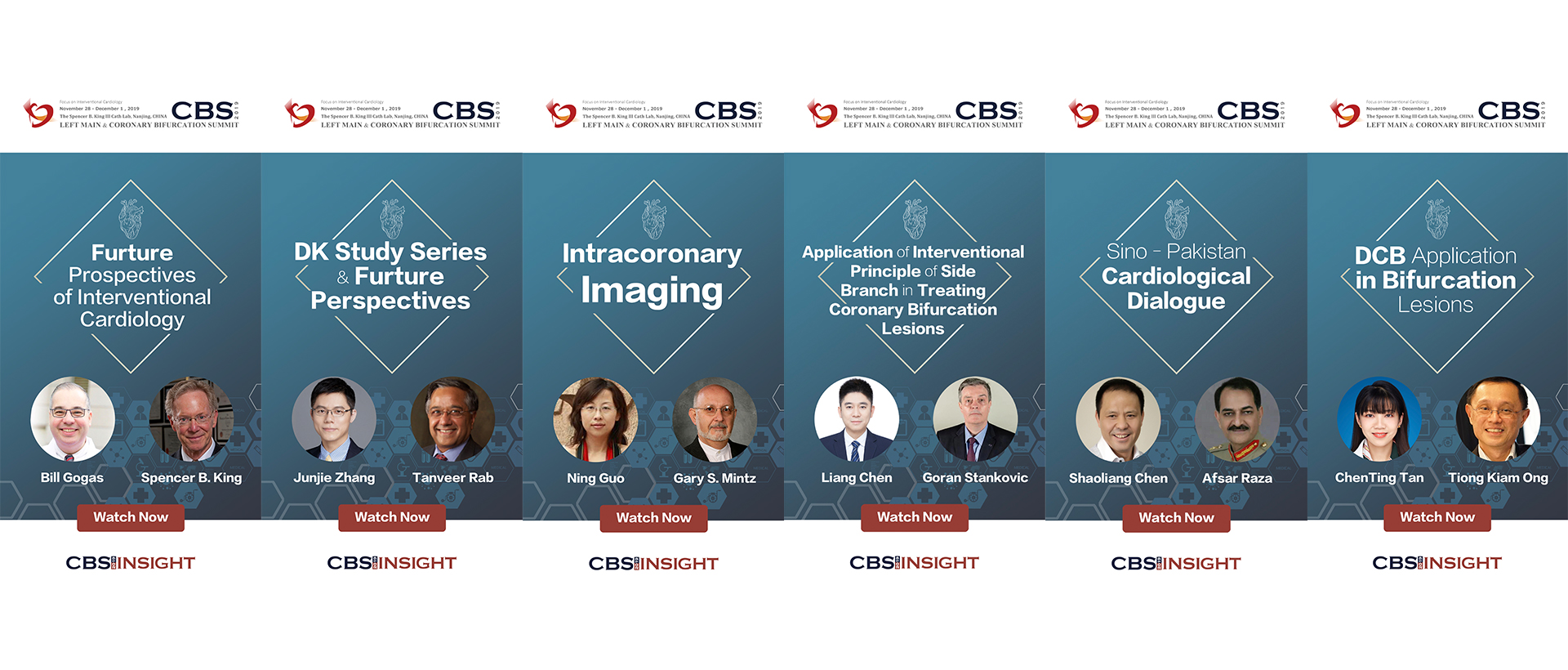
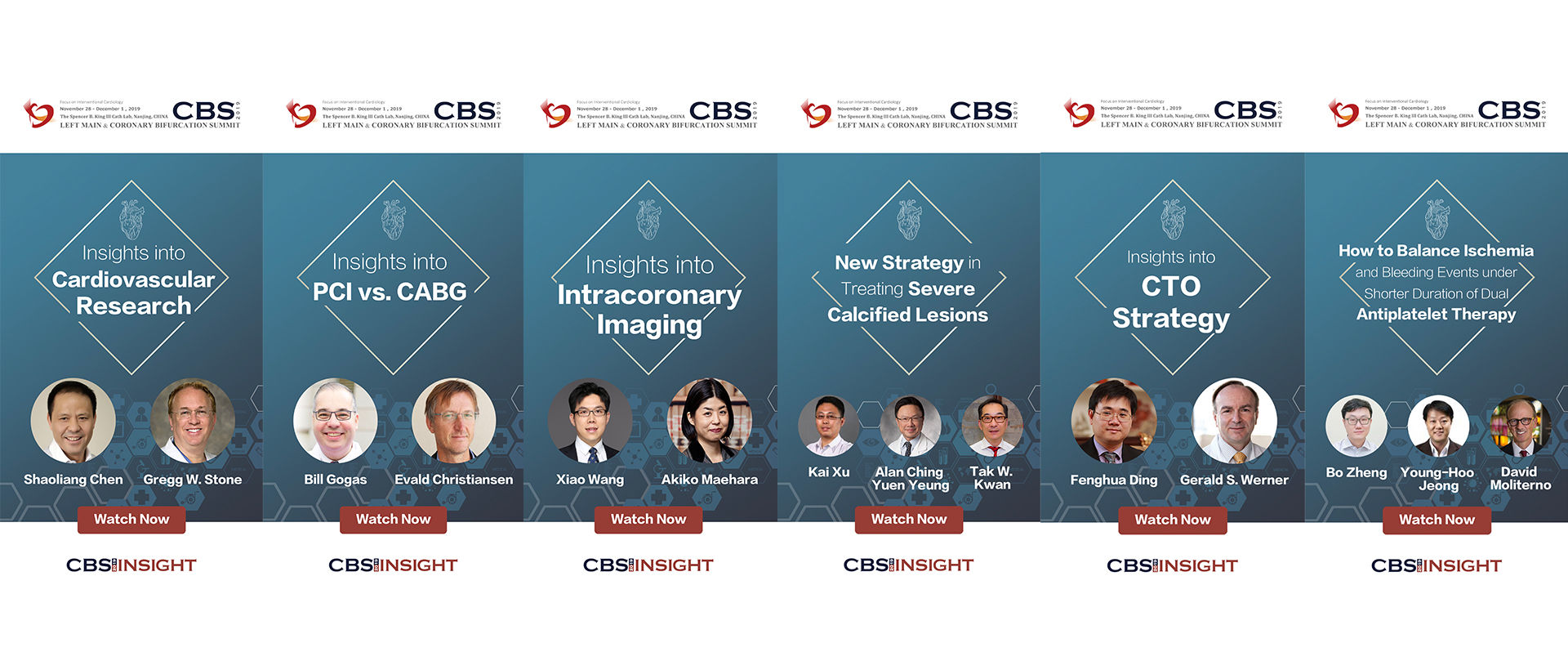
 Education Resource
 CBSMD Scientific Library


