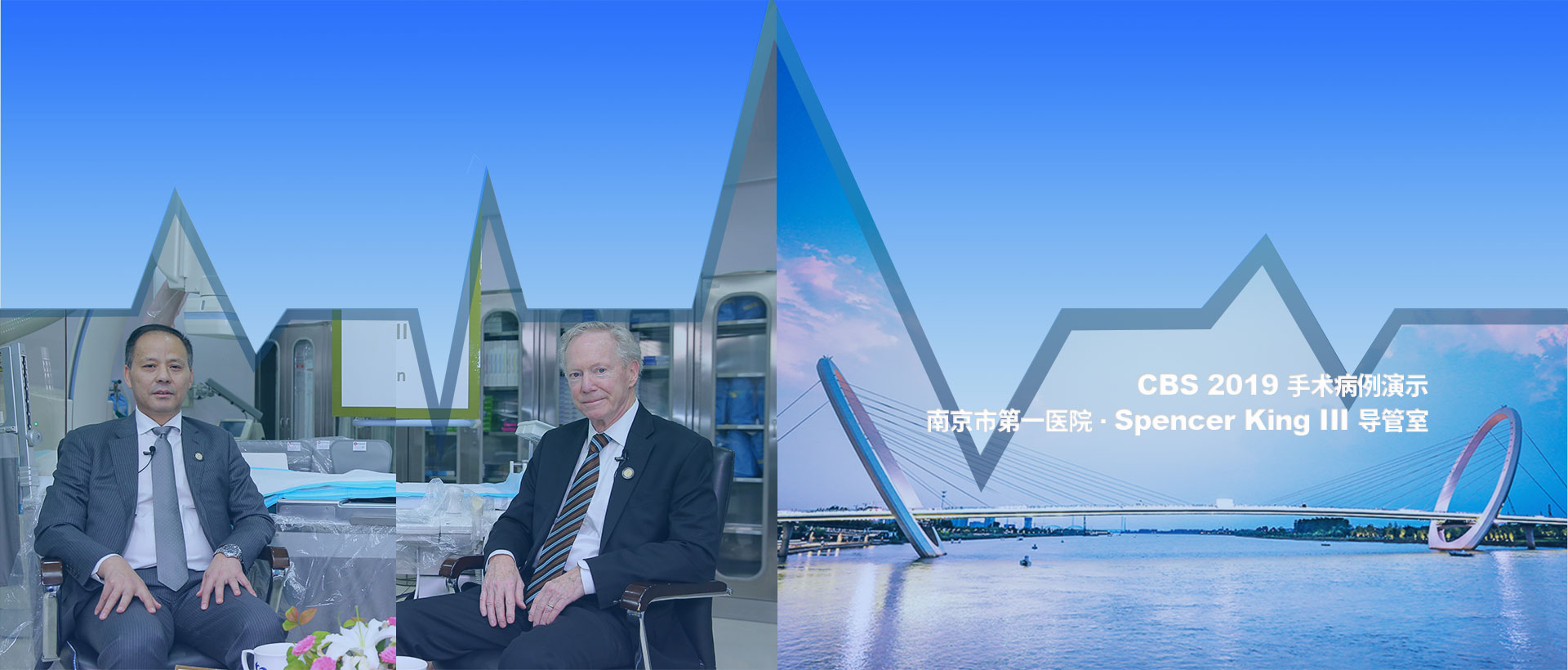
CBS 2019
CBSMD教育中心
English

IVUS Guidance

科研文章

荐读文献

Usefulness of intravascular ultrasound to predict outcomes in short-length lesions treated with drug-eluting stents Use of Intravascular Ultrasound Imaging in Percutaneous Coronary Intervention to Treat Left Main Coronary Artery Disease Usefulness of intravascular ultrasound guidance in percutaneous coronary intervention with second-generation drug-eluting stents for chronic total occlusions (from the Multicenter Korean-Chronic Total Occlusion Registry) Attenuated plaque detected by intravascular ultrasound: clinical, angiographic, and morphologic features and post-percutaneous coronary intervention complications in patients with acute coronary syndromes Intravascular ultrasound-guided implantation of drug-eluting stents to improve outcome: a meta-analysis The role of integrated backscatter intravascular ultrasound in characterizing bare metal and drug-eluting stent restenotic neointima as compared to optical coherence tomography First-in-man evaluation of intravascular optical frequency domain imaging (OFDI) of Terumo: a comparison with intravascular ultrasound and quantitative coronary angiography Intravascular ultrasound findings of early stent thrombosis after primary percutaneous intervention in acute myocardial infarction: a Harmonizing Outcomes with Revascularization and Stents in Acute Myocardial Infarction (HORIZONS-AMI) substudy Outcomes with intravascular ultrasound-guided stent implantation: a meta-analysis of randomized trials in the era of drug-eluting stents Intravascular Ultrasound Guidance Reduces Cardiac Death and Coronary Revascularization in Patients Undergoing Drug-Eluting Stent Implantation: Results From a Meta-Analysis of 9 Randomized Trials and 4724 Patients

Review ArticleVolume 75, Issue 16, April 2020

JOURNAL:JACC Article Link

Lipid-Modifying Agents, From Statins to PCSK9 Inhibitors: JACC Focus Seminar

D Preiss, JA Tobert, GK Hovingh et al. Keywords: ezetimibe; low-density lipoprotein cholesterol; Mendelian randomization; proprotein convertase subtilisin/kexin type 9; statin

ABSTRACT

Mendelian randomization studies and randomized trials have conclusively demonstrated that lower low-density lipoprotein (LDL) cholesterol results in fewer cardiovascular events. This review describes key stages in the evolution of LDL cholesterol–lowering treatment. Data from over 25 cardiovascular outcome trials confirm that, within a few years, statins lower the relative risk of major atherosclerotic events by about 22% per 38.7 mg/dl (1 mmol/l) reduction in LDL cholesterol, with similar benefit across patient subgroups. Meta-analyses of these trials have established the safety of statins with regard to nonvascular mortality and cancer. Other agents available for prescription include ezetimibe and proprotein convertase subtilisin/kexin type 9 (PCSK9) inhibitors, which both reduce major atherosclerotic events in proportion to their effects on LDL cholesterol and have good safety profiles, though PCSK9 inhibitors remain costly. Investigational LDL cholesterol–lowering agents currently being tested in cardiovascular outcome studies are bempedoic acid, an adenosine triphosphate–citrate lyase inhibitor that reduces cholesterol synthesis, and inclisiran, a double-stranded small interfering ribonucleic acid that inhibits PCSK9 synthesis.