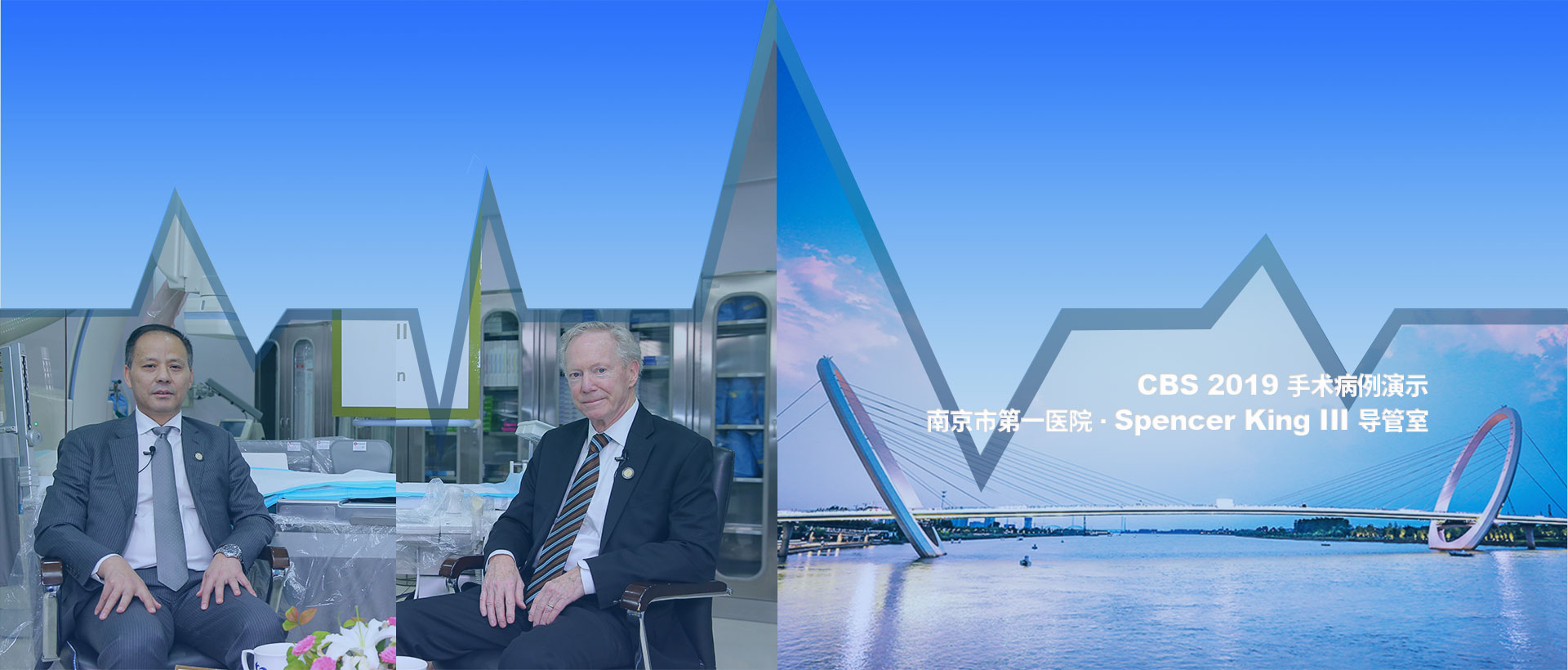
CBS 2019
CBSMD教育中心
English

IVUS Guidance

科研文章

荐读文献

Coronary artery imaging with intravascular high-frequency ultrasound Prospective application of pre-defined intravascular ultrasound criteria for assessment of intermediate left main coronary artery lesions results from the multicenter LITRO study Intravascular Ultrasound Guidance Reduces Cardiac Death and Coronary Revascularization in Patients Undergoing Drug-Eluting Stent Implantation: Results From a Meta-Analysis of 9 Randomized Trials and 4724 Patients Comparison of intravascular ultrasound guided versus angiography guided drug eluting stent implantation: a systematic review and meta-analysis Intracoronary stenting without anticoagulation accomplished with intravascular ultrasound guidance Atherosclerotic plaque with ultrasonic attenuation affects coronary reflow and infarct size in patients with acute coronary syndrome: an intravascular ultrasound study Intravascular Ultrasound Guidance vs. Angiographic Guidance in Primary Percutaneous Coronary Intervention for ST-Segment Elevation Myocardial Infarction - Long-Term Clinical Outcomes From the CREDO-Kyoto AMI Registry The relationship between attenuated plaque identified by intravascular ultrasound and no-reflow after stenting in acute myocardial infarction: the HORIZONS-AMI (Harmonizing Outcomes With Revascularization and Stents in Acute Myocardial Infarction) trial Mechanical complications of everolimus-eluting stents associated with adverse events: an intravascular ultrasound study Usefulness of minimum stent cross sectional area as a predictor of angiographic restenosis after primary percutaneous coronary intervention in acute myocardial infarction (from the HORIZONS-AMI Trial IVUS substudy)

Review Article2020 Nov, 13 (21) 2453–2466

JOURNAL:J Am Coll Cardiol. Article Link

Delirium After TAVR: Crosspassing the Limit of Resilience

Kvan der Wulp , MH van Wely , MJP Rooijakkers et al. Keywords: delirium; post TAVR

ABSTRACT

Patients who undergo transcatheter aortic valve replacement often are frail and elderly. Delirium is a frequently observed complication, associated with impaired recovery, prolonged hospital stay, and mortality. In different hospital settings, interventions that reduced the incidence of delirium resulted in improved clinical outcome and reduced costs. In that context, prevention, early recognition, and timely interventions could be the next step toward better outcomes of transcatheter aortic valve replacement. This review is focused on awareness and recognition of delirium, including predisposing “vulnerability” factors (such as cognitive impairment and carotid artery disease) and “trigger” factors (such as anesthesia, hemodynamic imbalance, and complications). For prevention and treatment, clinicians should focus on sleep hygiene, orientation, pain management, and early mobilization. In case of delirium, a thorough search and treatment of trigger factors is warranted. Future studies should focus on risk assessment, preventive and therapeutic interventions, and their potential benefit in terms of costs and clinical outcomes.