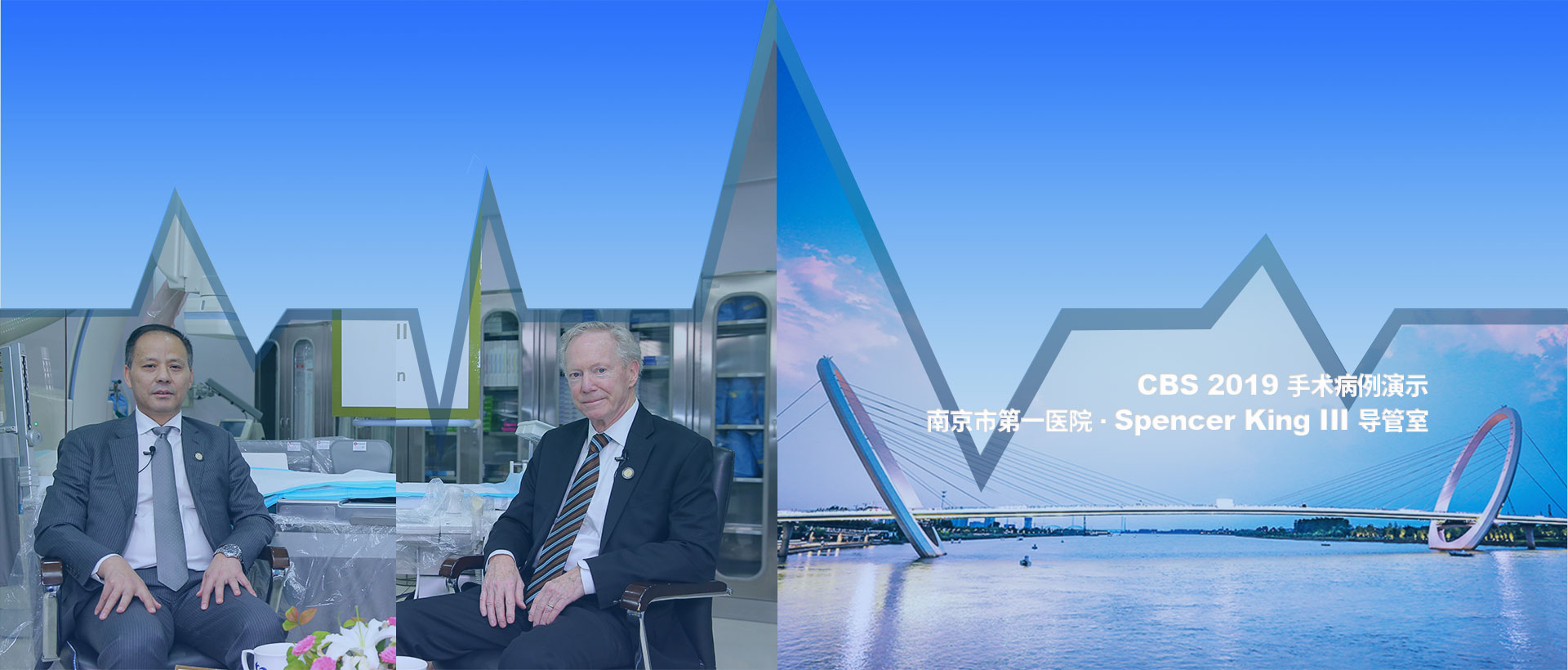
CBS 2019
CBSMD教育中心
English

血管内超声指导

科研文章

荐读文献

Role of intravascular ultrasound in patients with acute myocardial infarction undergoing percutaneous coronary intervention Positive remodeling at 3 year follow up is associated with plaque-free coronary wall segment at baseline: a serial IVUS study Intravascular ultrasound predictors of angiographic restenosis after sirolimus-eluting stent implantation Defining a new standard for IVUS optimized drug eluting stent implantation: the PRAVIO study Impact of Intravascular Ultrasound on Long-Term Clinical Outcomes in Patients With Acute Myocardial Infarction Mechanisms of in-stent restenosis after drug-eluting stent implantation: intravascular ultrasound analysis Impact of post-intervention minimal stent area on 9-month follow-up patency of paclitaxel-eluting stents: an integrated intravascular ultrasound analysis from the TAXUS IV, V, and VI and TAXUS ATLAS Workhorse, Long Lesion, and Direct Stent Trials The role of integrated backscatter intravascular ultrasound in characterizing bare metal and drug-eluting stent restenotic neointima as compared to optical coherence tomography Intravascular Ultrasound Guidance vs. Angiographic Guidance in Primary Percutaneous Coronary Intervention for ST-Segment Elevation Myocardial Infarction - Long-Term Clinical Outcomes From the CREDO-Kyoto AMI Registry Correlations between fractional flow reserve and intravascular ultrasound in patients with an ambiguous left main coronary artery stenosis

Original Research2018 Apr 1;39(13):1065-1074.

JOURNAL: Article Link

Impact of treatment delay on mortality in ST-segment elevation myocardial infarction (STEMI) patients presenting with and without haemodynamic instability: results from the German prospective, multicentre FITT-STEMI trial

Scholz KH, Maier SKG, Maier LS et al. Keywords: contact-to-balloon time; STEMI; mortality; cardiogenic shock; out-of-hospital cardiac arrest; PPCI

ABSTRACT


AIMS - The aim of this study was to investigate the effect of contact-to-balloon time on mortality in ST-segment elevation myocardial infarction (STEMI) patients with and without haemodynamic instability.


METHODS AND RESULTS - Using data from the prospective, multicentre Feedback Intervention and Treatment Times in ST-Elevation Myocardial Infarction (FITT-STEMI) trial, we assessed the prognostic relevance of first medical contact-to-balloon time in n = 12 675 STEMI patients who used emergency medical service transportation and were treated with primary percutaneous coronary intervention (PCI). Patients were stratified by cardiogenic shock (CS) and out-of-hospital cardiac arrest (OHCA). For patients treated within 60 to 180 min from the first medical contact, we found a nearly linear relationship between contact-to-balloon times and mortality in all four STEMI groups. In CS patients with no OHCA, every 10-min treatment delay resulted in 3.31 additional deaths in 100 PCI-treated patients. This treatment delay-related increase in mortality was significantly higher as compared to the two groups of OHCA patients with shock (2.09) and without shock (1.34), as well as to haemodynamically stable patients (0.34, P < 0.0001).

CONCLUSIONS - In patients with CS, the time elapsing from the first medical contact to primary PCI is a strong predictor of an adverse outcome. This patient group benefitted most from immediate PCI treatment, hence special efforts to shorten contact-to-balloon time should be applied in particular to these high-risk STEMI patients.