CBS 2019
CBSMD教育中心
English

血管内超声指导

科研文章

荐读文献

Impact of intravascular ultrasound on the long-term clinical outcomes in the treatment of coronary ostial lesions Clinical use of intracoronary imaging. Part 1: guidance and optimization of coronary interventions. An expert consensus document of the European Association of Percutaneous Cardiovascular Interventions: Endorsed by the Chinese Society of Cardiology Novel predictor of target vessel revascularization after coronary stent implantation: Intraluminal intensity of blood speckle on intravascular ultrasound IVUS in bifurcation stenting: what have we learned? Impact of Intravascular Ultrasound-Guided Percutaneous Coronary Intervention on Long-Term Clinical Outcomes in Patients Undergoing Complex Procedures The relationship between attenuated plaque identified by intravascular ultrasound and no-reflow after stenting in acute myocardial infarction: the HORIZONS-AMI (Harmonizing Outcomes With Revascularization and Stents in Acute Myocardial Infarction) trial Atherosclerotic plaque with ultrasonic attenuation affects coronary reflow and infarct size in patients with acute coronary syndrome: an intravascular ultrasound study Catastrophic catheter-induced coronary artery vasospasm successfully rescued using intravascular ultrasound imaging guidance Effect of Intravascular Ultrasound-Guided vs Angiography-Guided Everolimus-Eluting Stent Implantation: The IVUS-XPL Randomized Clinical Trial Optical coherence tomography and intravascular ultrasound assessment of the anatomic size and wall thickness of a muscle bridge segment

Review ArticleVolume 13, Number 6, 2017 Aug 25

JOURNAL:EuroIntervention. Article Link

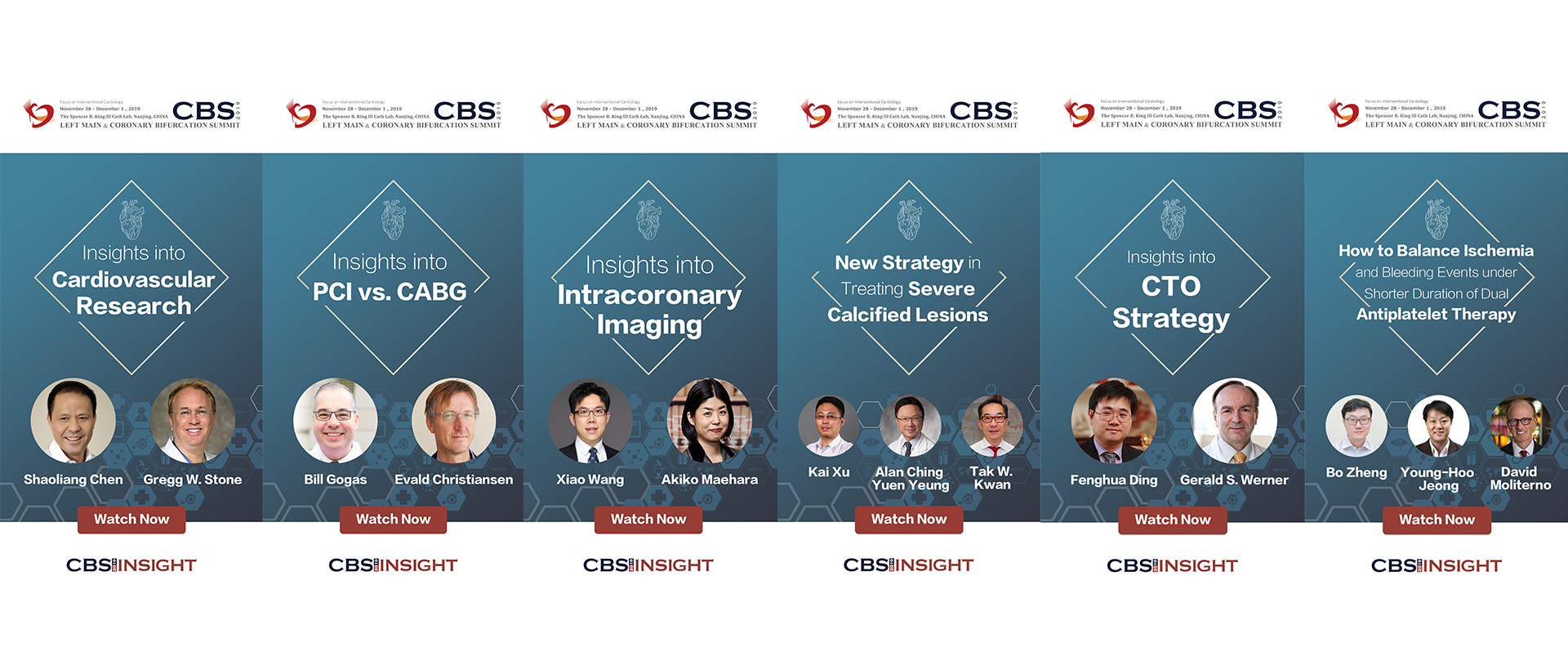
State of the art: duration of dual antiplatelet therapy after percutaneous coronary intervention and coronary stent implantation – past, present and future perspectives

Gargiulo G, Valgimigli M, Capodanno D et al. Keywords: percutaneous coronary intervention ; dual antiplatelet therapy; randomised trials

ABSTRACT

Evidence from studies published more than 10 years ago suggested that patients receiving first-generation drug-eluting stents (DES) needed dual antiplatelet therapy (DAPT) for at least 12 months. Current evidence from randomised controlled trials (RCT) reported within the past five years suggests that patients with stable ischaemic heart disease who receive newer-generation DES need DAPT for a minimum of three to six months. Patients who undergo stenting for an acute coronary syndrome benefit from DAPT for at least 12 months, but a Bayesian network meta-analysis confirms that extending DAPT beyond 12 months confers a trade-off between reduced ischaemic events and increased bleeding. However, the network meta-analysis finds no credible increase in all-cause mortality if DAPT is lengthened from three to six months to 12 months (posterior median odds ratio [OR] 0.98; 95% Bayesian credible interval [BCI]: 0.73-1.43), from 12 months to 18-48 months (OR 0.87; 95% BCI: 0.64-1.17), or from three to six months to 18-48 months (OR 0.86; 95% BCI: 0.63-1.21). Future investigation should focus on identifying scoring systems that have excellent discrimination and calibration. Although predictive models should be incorporated into systems of care, most decisions about DAPT duration will be based on clinical judgement and patient preference.