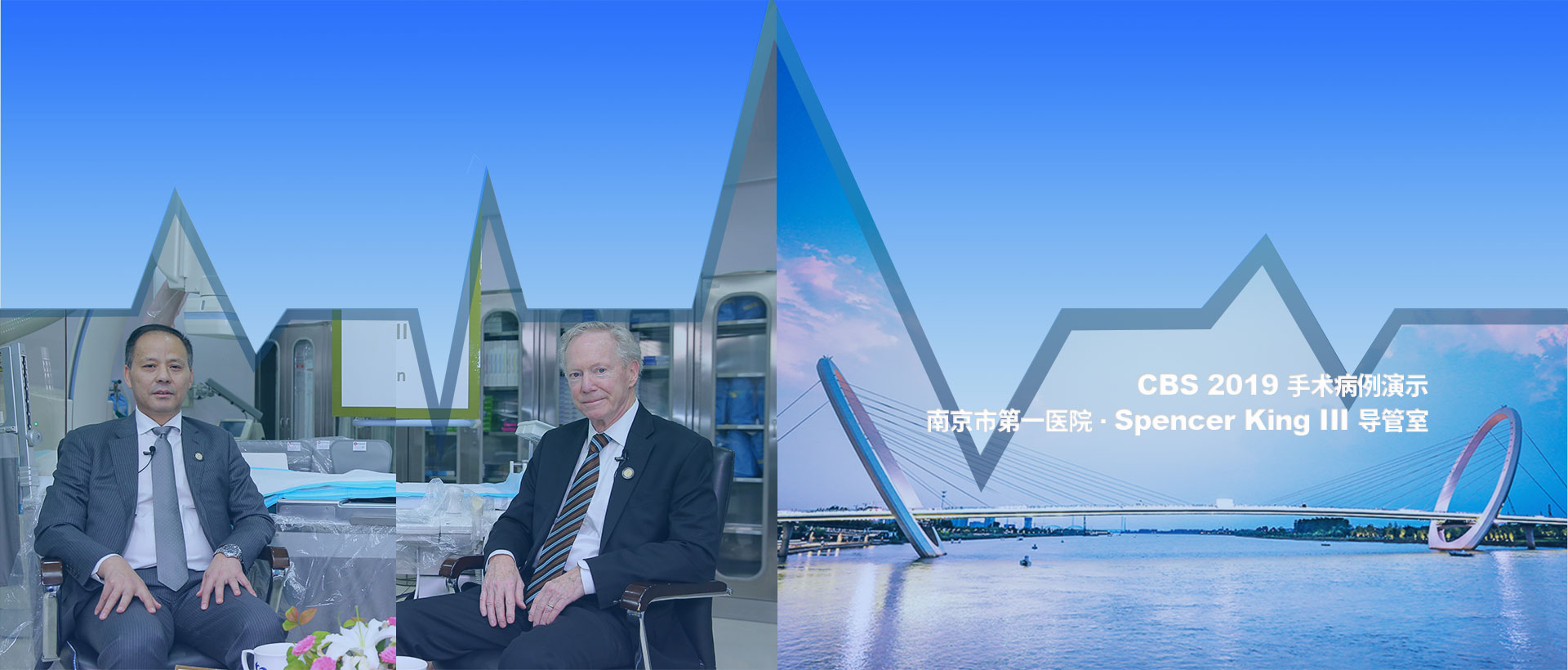
CBS 2019
CBSMD教育中心
English

急性冠脉综合征

科研文章

荐读文献

Improved Outcomes Associated with the use of Shock Protocols: Updates from the National Cardiogenic Shock Initiative Frequency of nonsystem delays in ST-elevation myocardial infarction patients undergoing primary percutaneous coronary intervention and implications for door-to-balloon time reporting (from the American Heart Association Mission: Lifeline program) 2019 ESC Guidelines for the diagnosis and management of chronic coronary syndromes: The Task Force for the diagnosis and management of chronic coronary syndromes of the European Society of Cardiology (ESC) Association of Acute Procedural Results with Long-term Outcomes After CTO-PCI Changes in One-Year Mortality in Elderly Patients Admitted with Acute Myocardial Infarction in Relation with Early Management 2021 AHA/ACC/ASE/CHEST/SAEM/SCCT/SCMR Guideline for the Evaluation and Diagnosis of Chest Pain: A Report of the American College of Cardiology/American Heart Association Joint Committee on Clinical Practice Guidelines Eruptive Calcified Nodules as a Potential Mechanism of Acute Coronary Thrombosis and Sudden Death Cardiovascular Mortality After Type 1 and Type 2 Myocardial Infarction in Young Adults Acute Noncardiac Organ Failure in Acute Myocardial Infarction With Cardiogenic Shock Association of Parenteral Anticoagulation Therapy With Outcomes in Chinese Patients Undergoing Percutaneous Coronary Intervention for Non-ST-Segment Elevation Acute Coronary Syndrome

Consensus06 April 2020

JOURNAL: JACC Cardiovasc Interv and Catheter Cardiovasc In Article Link

Triage Considerations for Patients Referred for Structural Heart Disease Intervention During the Coronavirus Disease 2019 (COVID-19) Pandemic: An ACC /SCAI Consensus Statement

PB Shah, FGP Welt, E Mahmud et al. Keywords: COVID-19; TAVR; valvular and structural heart disease; HF; triage intervention

Full Text PDF

The COVID-19 pandemic has strained health care resources around the world causing many institutions to curtail or stop elective procedures. This has resulted in the inability to care for patients valvular and structural heart disease (SHD) in a timely fashion potentially placing these patients at increased risk for adverse cardiovascular complications including congestive heart failure and death. The effective triage of these patients has become challenging in the current environment as clinicians have had to weigh the risk of bringing susceptible patients into the hospital environment during the COVID-19 pandemic versus the risk of delaying a needed procedure. In this document, we suggest guidelines as to how to triage patients in need of SHD interventions and provide a framework of how to decide when it may be appropriate to proceed with intervention despite the ongoing pandemic. In particular, we address the triage of patients in need of trans-catheter aortic valve replacement and percutaneous mitral valve repair. We also address procedural issues and considerations for the function of structural heart disease teams during the COVID-19 pandemic.