CBS 2019


CBSMD教育中心


HOME


CBS 2019
At CBS


General Information
Association and Affiliations
Organized by
Nanjing Heart Center
Asian Bifurcation Club (ABC)
Nanjing First Hospital, Nanjing Medical University
Co-organized by
Chinese Society of Cardiology (CSC)
Capacity Building and Continuing Education Center,National Health and Family Planning Commission (CBCEC)
American Society for Cardiovascular Angiography and Interventions (SCAI)
Asian Heart Society (AHS)
Contact Us
Registration Administration of Domestic Representatives
Hongjuan Peng : +86-13913895477
Haimei Xu +86-13914736846
 cbsnj@cbsmd.cn
Registration Administration of Overseas Representatives
Ling Lin : +86 (25) 52271398
+86-13951884596
cbs@cbsmd.cn
Management of Challenging Cases
Yingying Zhao :+86-13815408517
sub@cbsmd.cn
Address
 CBS2019 Congress Secretariat, Nanjing First Hospital, Building No.9 68# Changle Road, Nanjing, China
 210006


FACULTY
FACULTY
General Chairman
Congress Chairman


Education Center
Education Center
• Online Education (For more customized user interface with self-defined collection of research papers and education resources.)
• CBS Education Resource


• CBSMD Scientific Library


SCIENTIFIC LIBRARY
SCIENTIFIC LIBRARY


Research Paper
> Acute Coronary Syndrom
> ASCVD Prevention
> Bifurcation Stenting
> Cardio-Oncology
> Congestive Heart Failure
> DAPT Duration
> Drug Coated Balloon
> Fractional Flow Reserve
> IVUS Guidance
> Optical Coherence Tomography
> Pulmonary Hypertension
> Rotational Atherectomy
> Shear Stress
> Stenting Left Main
> Transcatheter Aortic Valve Replacement
> Percutaneous LAA Occlusion
> Mitral/Tricuspid Valvular Disease
> Other Relevant Articles
Recommended Paper
Management of Acute Myocardial Infarction During the COVID-19 Pandemic
COVID-19 and Thrombotic or Thromboembolic Disease: Implications for Prevention, Antithrombotic Therapy, and Follow-up
CSC Expert Consensus on Principles of Clinical Management of Patients with Severe Emergent Cardiovascular Diseases during the COVID-19 Epidemic
ACC Clinical Bulletin Focuses on Cardiac Implications of Coronavirus (COVID-19)
科学研究
Original ResearchVolume 72, Issue 25, December 2018
JOURNAL:J Am Coll Cardiol. Article Link
JD Mitchell, N Fergestrom, BF Gage et al. Keywords: atherosclerotic cardiovascular disease; calcium score; cardiovascular risk; primary prevention; screening
BACKGROUND - Compared with traditional risk factors, coronary artery calcium (CAC) scores improve prognostic accuracy for atherosclerotic cardiovascular disease (ASCVD) outcomes. However, the relative impact of statins on ASCVD outcomes stratified by CAC scores is unknown.
OBJECTIVES - The authors sought to determine whether CAC can identify patients most likely to benefit from statin treatment.
METHODS - The authors identified consecutive subjects without pre-existing ASCVD or malignancy who underwent CAC scoring from 2002 to 2009 at Walter Reed Army Medical Center. The primary outcome was first major adverse cardiovascular event (MACE), a composite of acute myocardial infarction, stroke, and cardiovascular death. The effect of statin therapy on outcomes was analyzed stratified by CAC presence and severity, after adjusting for baseline comorbidities with inverse probability of treatment weights based on propensity scores.
RESULTS - A total of 13,644 patients (mean age 50 years; 71% men) were followed for a median of 9.4 years. Comparing patients with and without statin exposure, statin therapy was associated with reduced risk of MACE in patients with CAC (adjusted subhazard ratio: 0.76; 95% confidence interval: 0.60 to 0.95; p = 0.015), but not in patients without CAC (adjusted subhazard ratio: 1.00; 95% confidence interval: 0.79 to 1.27; p = 0.99). The effect of statin use on MACE was significantly related to the severity of CAC (p < 0.0001 for interaction), with the number needed to treat to prevent 1 initial MACE outcome over 10 years ranging from 100 (CAC 1 to 100) to 12 (CAC >100).
CONCLUSIONS - In a largescale cohort without baseline ASCVD, the presence and severity of CAC identified patients most likely to benefit from statins for the primary prevention of cardiovascular diseases.


 中 文
中 文




 CBS 2019
 CBS 2019 FACULTY
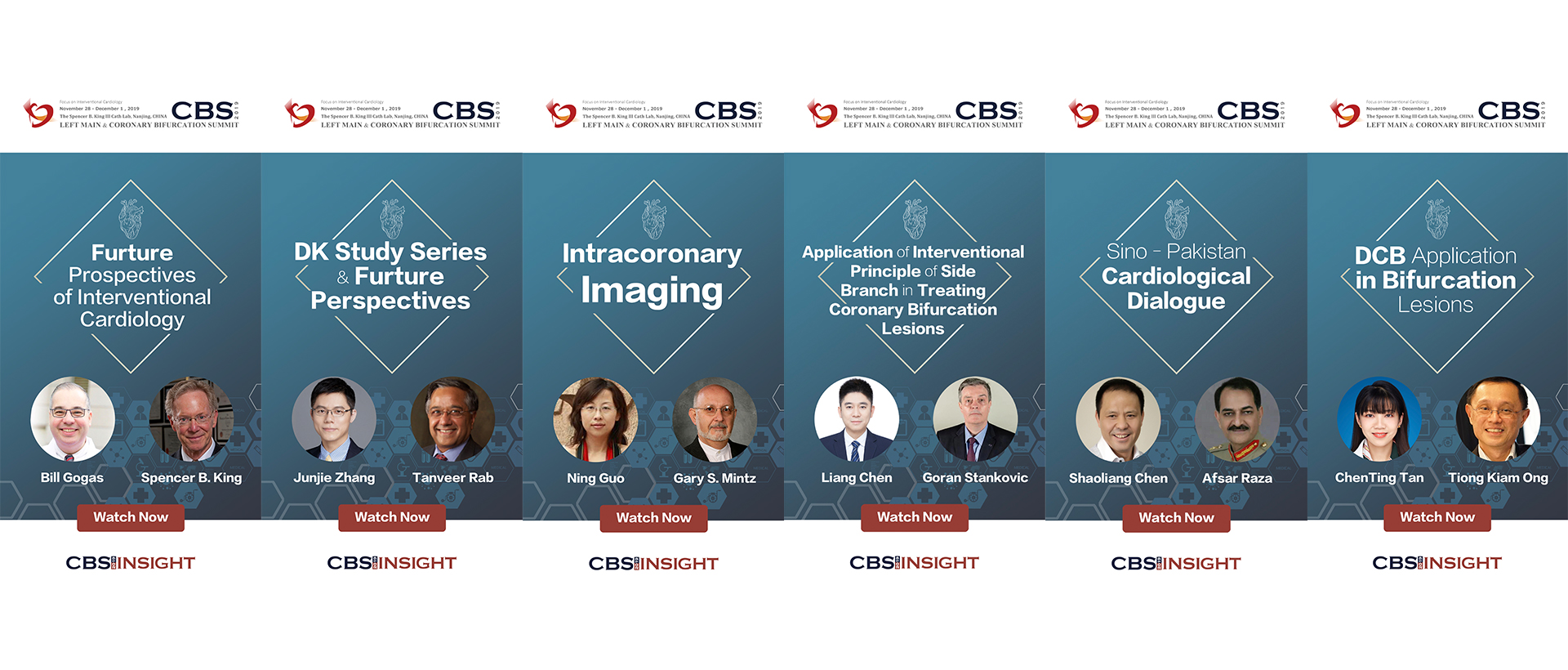
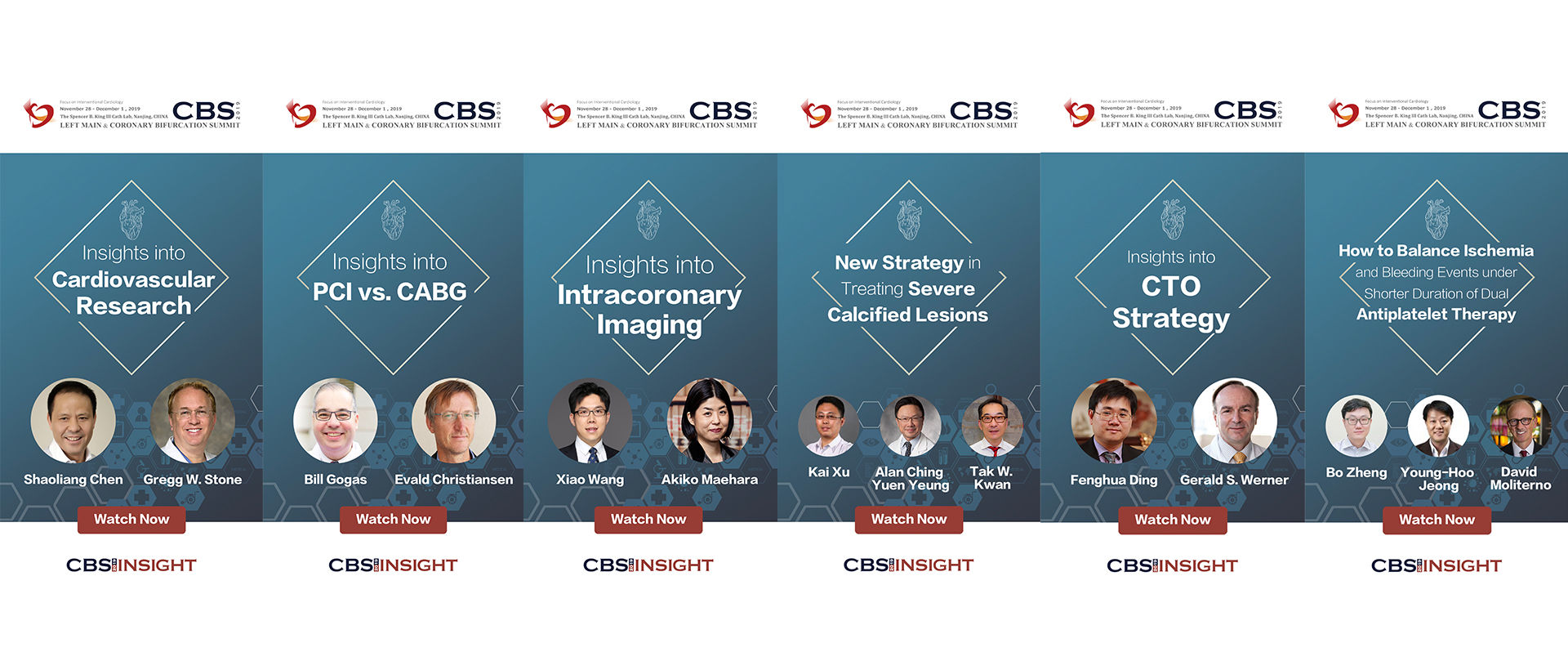
 Education Resource
 CBSMD Scientific Library


