CBS 2019


CBSMD教育中心


HOME


CBS 2019
At CBS


General Information
Association and Affiliations
Organized by
Nanjing Heart Center
Asian Bifurcation Club (ABC)
Nanjing First Hospital, Nanjing Medical University
Co-organized by
Chinese Society of Cardiology (CSC)
Capacity Building and Continuing Education Center,National Health and Family Planning Commission (CBCEC)
American Society for Cardiovascular Angiography and Interventions (SCAI)
Asian Heart Society (AHS)
Contact Us
Registration Administration of Domestic Representatives
Hongjuan Peng : +86-13913895477
Haimei Xu +86-13914736846
 cbsnj@cbsmd.cn
Registration Administration of Overseas Representatives
Ling Lin : +86 (25) 52271398
+86-13951884596
cbs@cbsmd.cn
Management of Challenging Cases
Yingying Zhao :+86-13815408517
sub@cbsmd.cn
Address
 CBS2019 Congress Secretariat, Nanjing First Hospital, Building No.9 68# Changle Road, Nanjing, China
 210006


FACULTY
FACULTY
General Chairman
Congress Chairman


Education Center
Education Center
• Online Education (For more customized user interface with self-defined collection of research papers and education resources.)
• CBS Education Resource


• CBSMD Scientific Library


SCIENTIFIC LIBRARY
SCIENTIFIC LIBRARY


Research Paper
> Acute Coronary Syndrom
> ASCVD Prevention
> Bifurcation Stenting
> Cardio-Oncology
> Congestive Heart Failure
> DAPT Duration
> Drug Coated Balloon
> Fractional Flow Reserve
> IVUS Guidance
> Optical Coherence Tomography
> Pulmonary Hypertension
> Rotational Atherectomy
> Shear Stress
> Stenting Left Main
> Transcatheter Aortic Valve Replacement
> Percutaneous LAA Occlusion
> Mitral/Tricuspid Valvular Disease
> Other Relevant Articles
Recommended Paper
Management of Acute Myocardial Infarction During the COVID-19 Pandemic
COVID-19 and Thrombotic or Thromboembolic Disease: Implications for Prevention, Antithrombotic Therapy, and Follow-up
CSC Expert Consensus on Principles of Clinical Management of Patients with Severe Emergent Cardiovascular Diseases during the COVID-19 Epidemic
ACC Clinical Bulletin Focuses on Cardiac Implications of Coronavirus (COVID-19)
科学研究
Original Research2017 Sep;10(9).
JOURNAL:Circ Cardiovasc Qual Outcomes. Article Link
Kelli HM, Hammadah M, Quyyumi AA et al. Keywords: coronary disease; epidemiology; hypertension; prevalence; risk factors
BACKGROUND - Food deserts (FD), neighborhoods defined as low-income areas with low access to healthy food, are a public health concern. We evaluated the impact of living in FD on cardiovascular risk factors and subclinical cardiovascular disease (CVD) with the hypothesis that people living in FD will have an unfavorable CVD risk profile. We further assessed whether the impact of FD on these measures is driven by area income, individual household income, or area access to healthy food.
METHODS AND RESULTS - We studied 1421 subjects residing in the Atlanta metropolitan area who participated in the META-Health study (Morehouse and Emory Team up to Eliminate Health Disparities; n=712) and the Predictive Health study (n=709). Participants' zip codes were entered into the United States Food Access Research Atlas for FD status. Demographic data, metabolic profiles, hs-CRP (high-sensitivity C-reactive protein) levels, oxidative stress markers (glutathione and cystine), and arterial stiffness were evaluated. Mean age was 49.4 years, 38.5% male and 36.6% black. Compared with those not living in FD, subjects living in FD (n=187, 13.2%) had a higher prevalence of hypertension and smoking, higher body mass index, fasting glucose, and 10-year risk for CVD. They also had higher hs-CRP (P=0.014), higher central augmentation index (P=0.015), and lower glutathione level (P=0.003), indicative of increased oxidative stress. Area income and individual income, rather than food access, were associated with CVD risk measures. In a multivariate analysis that included foodaccess, area income and individual income, both low-income area and low individual household income, were independent predictors of a higher 10-year risk for CVD. Only low individual income was an independent predictor of higher hs-CRP and augmentation index.
CONCLUSIONS - Although living in FD is associated with a higher burden of cardiovascular risk factors and preclinical indices of CVD, these associations are mainly driven by area income and individual income rather than access to healthy food.
© 2017 American Heart Association, Inc.


 中 文
中 文



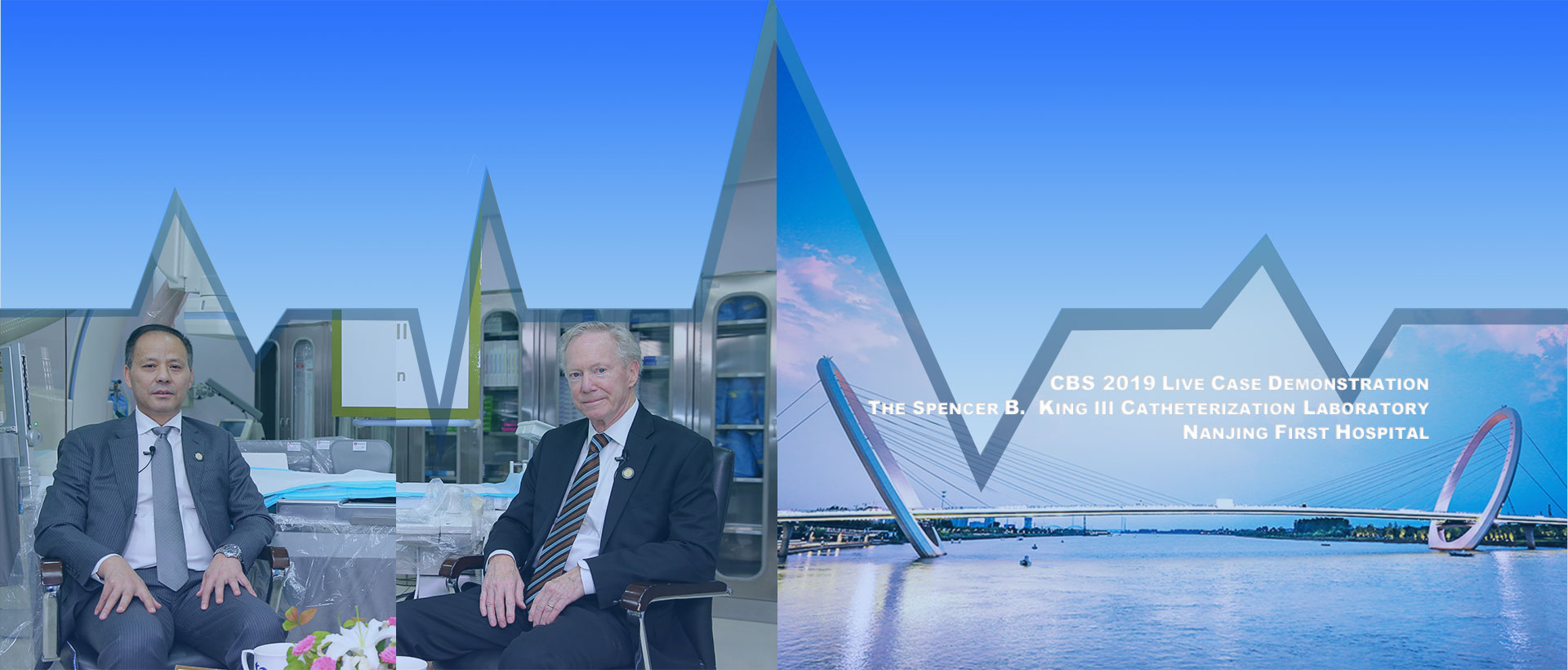


 CBS 2019
 CBS 2019 FACULTY
 Education Resource
 CBSMD Scientific Library


