CBS 2019


CBSMD教育中心


HOME


CBS 2019
At CBS


General Information
Association and Affiliations
Organized by
Nanjing Heart Center
Asian Bifurcation Club (ABC)
Nanjing First Hospital, Nanjing Medical University
Co-organized by
Chinese Society of Cardiology (CSC)
Capacity Building and Continuing Education Center,National Health and Family Planning Commission (CBCEC)
American Society for Cardiovascular Angiography and Interventions (SCAI)
Asian Heart Society (AHS)
Contact Us
Registration Administration of Domestic Representatives
Hongjuan Peng : +86-13913895477
Haimei Xu +86-13914736846
 cbsnj@cbsmd.cn
Registration Administration of Overseas Representatives
Ling Lin : +86 (25) 52271398
+86-13951884596
cbs@cbsmd.cn
Management of Challenging Cases
Yingying Zhao :+86-13815408517
sub@cbsmd.cn
Address
 CBS2019 Congress Secretariat, Nanjing First Hospital, Building No.9 68# Changle Road, Nanjing, China
 210006


FACULTY
FACULTY
General Chairman
Congress Chairman


Education Center
Education Center
• Online Education (For more customized user interface with self-defined collection of research papers and education resources.)
• CBS Education Resource


• CBSMD Scientific Library


SCIENTIFIC LIBRARY
SCIENTIFIC LIBRARY


Research Paper
> Acute Coronary Syndrom
> ASCVD Prevention
> Bifurcation Stenting
> Cardio-Oncology
> Congestive Heart Failure
> DAPT Duration
> Drug Coated Balloon
> Fractional Flow Reserve
> IVUS Guidance
> Optical Coherence Tomography
> Pulmonary Hypertension
> Rotational Atherectomy
> Shear Stress
> Stenting Left Main
> Transcatheter Aortic Valve Replacement
> Percutaneous LAA Occlusion
> Mitral/Tricuspid Valvular Disease
> Other Relevant Articles
Recommended Paper
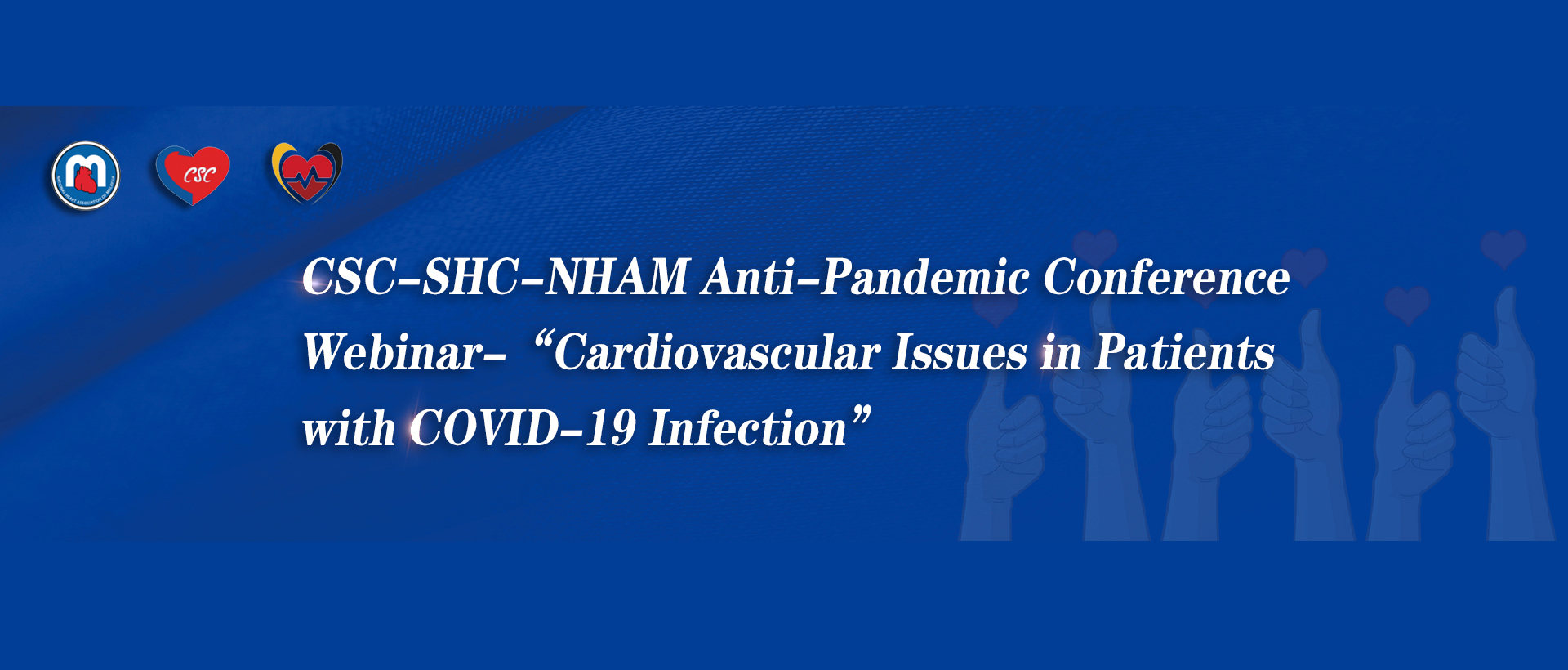
Management of Acute Myocardial Infarction During the COVID-19 Pandemic
COVID-19 and Thrombotic or Thromboembolic Disease: Implications for Prevention, Antithrombotic Therapy, and Follow-up
CSC Expert Consensus on Principles of Clinical Management of Patients with Severe Emergent Cardiovascular Diseases during the COVID-19 Epidemic
ACC Clinical Bulletin Focuses on Cardiac Implications of Coronavirus (COVID-19)
Stenting Left Main
Original Research
JOURNAL:CBSMD Article Link
CBSMD
2018年4月 “Burden of 30-Day Readmissions After Percutaneous Coronary Intervention in 833,344 Patients in the United States: Predictors, Causes, and Cost: Insights From the Nationwide Readmission Database”对美国本土再入院数据库进行研究后发现,术后30天计划外再入院比例为9.3%,与计划外30天再入院直接相关的因素包括术后非医嘱类出院 OR=1.19,转院至短期保健医院OR=1.62, 回家疗养OR=1.57, 慢性肾病OR=1.50,查尔森合并症指数OR=1.28, 并发症的数量OR=1.18。一半以上的计划外再入院与不良心脏事件无关。下图呈现了有无再入院的整体卫生经济费用对比。

2018年7月“Discharge Against Medical Advice After Percutaneous Coronary Intervention in the United States”也使用大数据对因非医嘱出院造成的PCI术后30天再入院的情况(discharge against medical advice,DAMA)展开评估, 从2,021,104名患者中找出0.5%的出院符合此类情况,DAMA患者群30天再入院机率是非DAMA患者群的近2倍(16.8% vs. 8.5%, p <.001),且可作为再入院强预测因子。DAMA人群或因AMI、吸烟、酗酒、药物滥用等原因要求自行出院。DAMA患者群应倾向因神经精神系统相关非心源性事件和急性心肌梗死相关心源性事件再入院。

2019年4月“Timing and Causes of Unplanned Readmissions After Percutaneous Coronary Intervention: Insights From the Nationwide Readmission Database”对2,412,000例中PCI术后60天计划外再入院患者的主诉进行探究后发现,约有25%的PCI患者术后遭遇计划外再入院事件,其中的主因确为非心源性事件,而非典型性胸痛是最频发主诉。 心源性事件有包含心绞痛的CAD,术后0-7天的急性心肌梗死和不同时间段发生的心力衰竭。

Kalra等“Percutaneous Coronary Intervention Readmissions: Where Are the Solutions?”曾于2018年撰写评论文章指出,在计划外再入院中,应区别对待恰当的计划外再入院和不恰当再入院。恰当的计划外再入院,即可显著影响患者预后,影响死亡率的再入院;可采用"Development and validation of a simple risk score to predict 30-day readmission after percutaneous coronary intervention in a cohort of medicare patients"通过PCI前评估30天再入院识别高危人群。不恰当再入院,指即使改善医疗水平也无法改善患者死亡率的再入院,而此类计划外再入院应得到合理控制,已进一步控制不合理卫生支出。


 中 文
中 文




 CBS 2019
 CBS 2019 FACULTY
 Education Resource
 CBSMD Scientific Library


