CBS 2019


CBSMD教育中心


HOME


CBS 2019
At CBS


General Information
Association and Affiliations
Organized by
Nanjing Heart Center
Asian Bifurcation Club (ABC)
Nanjing First Hospital, Nanjing Medical University
Co-organized by
Chinese Society of Cardiology (CSC)
Capacity Building and Continuing Education Center,National Health and Family Planning Commission (CBCEC)
American Society for Cardiovascular Angiography and Interventions (SCAI)
Asian Heart Society (AHS)
Contact Us
Registration Administration of Domestic Representatives
Hongjuan Peng : +86-13913895477
Haimei Xu +86-13914736846
 cbsnj@cbsmd.cn
Registration Administration of Overseas Representatives
Ling Lin : +86 (25) 52271398
+86-13951884596
cbs@cbsmd.cn
Management of Challenging Cases
Yingying Zhao :+86-13815408517
sub@cbsmd.cn
Address
 CBS2019 Congress Secretariat, Nanjing First Hospital, Building No.9 68# Changle Road, Nanjing, China
 210006


FACULTY
FACULTY
General Chairman
Congress Chairman


Education Center
Education Center
• Online Education (For more customized user interface with self-defined collection of research papers and education resources.)
• CBS Education Resource


• CBSMD Scientific Library


SCIENTIFIC LIBRARY
SCIENTIFIC LIBRARY


Research Paper
> Acute Coronary Syndrom
> ASCVD Prevention
> Bifurcation Stenting
> Cardio-Oncology
> Congestive Heart Failure
> DAPT Duration
> Drug Coated Balloon
> Fractional Flow Reserve
> IVUS Guidance
> Optical Coherence Tomography
> Pulmonary Hypertension
> Rotational Atherectomy
> Shear Stress
> Stenting Left Main
> Transcatheter Aortic Valve Replacement
> Percutaneous LAA Occlusion
> Mitral/Tricuspid Valvular Disease
> Other Relevant Articles
Recommended Paper
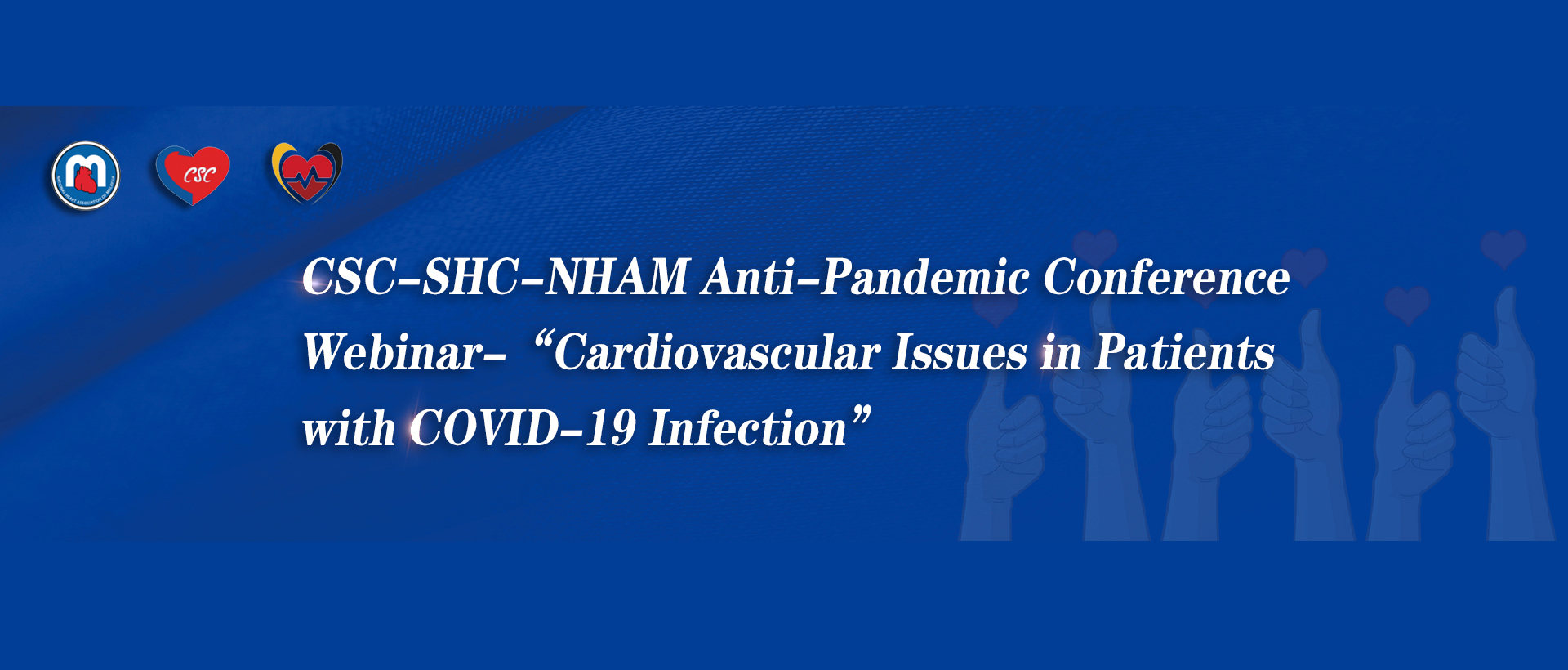
Management of Acute Myocardial Infarction During the COVID-19 Pandemic
COVID-19 and Thrombotic or Thromboembolic Disease: Implications for Prevention, Antithrombotic Therapy, and Follow-up
CSC Expert Consensus on Principles of Clinical Management of Patients with Severe Emergent Cardiovascular Diseases during the COVID-19 Epidemic
ACC Clinical Bulletin Focuses on Cardiac Implications of Coronavirus (COVID-19)
血管内超声指导
Clinical Trial2020 Jun 27.
JOURNAL:Catheter Cardiovasc Interv . Article Link
N Beohar, S Chen, GW Stone et al. Keywords: lesion preparation left main coronary artery; PCI
OBJECTIVES - We examined outcomes according to lesion preparation strategy (LPS) in patients with left main coronary artery (LMCA) percutaneous coronary intervention (PCI) in the EXCEL trial.
BACKGROUND - The optimal LPS for LMCA PCI is unclear.
METHODS - We categorized LPS hierarchically (high to low) as: (a) rotational atherectomy (RA); (b) cutting or scoring balloon (CSB); (c) balloon angioplasty (BAL); and d) direct stenting (DIR). The primary endpoint was 3‐year MACE; all‐cause death, stroke, or myocardial infarction.
RESULTS - Among 938 patients undergoing LMCA PCI, RA was performed in 6.0%, CSB 9.5%, BAL 71.3%, and DIR 13.2%. In patients treated with DIR, BAL, CSB, and RA, respectively, there was a progressive increase in SYNTAX score, LMCA complex bifurcation, trifurcation or calcification, number of stents, and total stent length. Any procedural complication occurred in 10.4% of cases overall, with the lowest rate in the DIR (7.4%) and highest in the RA group (16.1%) (p trend = .22). There were no significant differences in the 3‐year rates of MACE (from RA to DIR: 17.9%, 20.2%, 14.5%, 14.7%; p = .50) or ischemia‐driven revascularization (from RA to DIR: 16.8%, 10.8%, 12.3%, 14.2%; p = .65). The adjusted 3‐year rates of MACE did not differ according to LPS.
CONCLUSIONS - The comparable 3‐year outcomes suggest that appropriate lesion preparation may be able to overcome the increased risks of complex LMCA lesion morphology.


 中 文
中 文




 CBS 2019
 CBS 2019 FACULTY
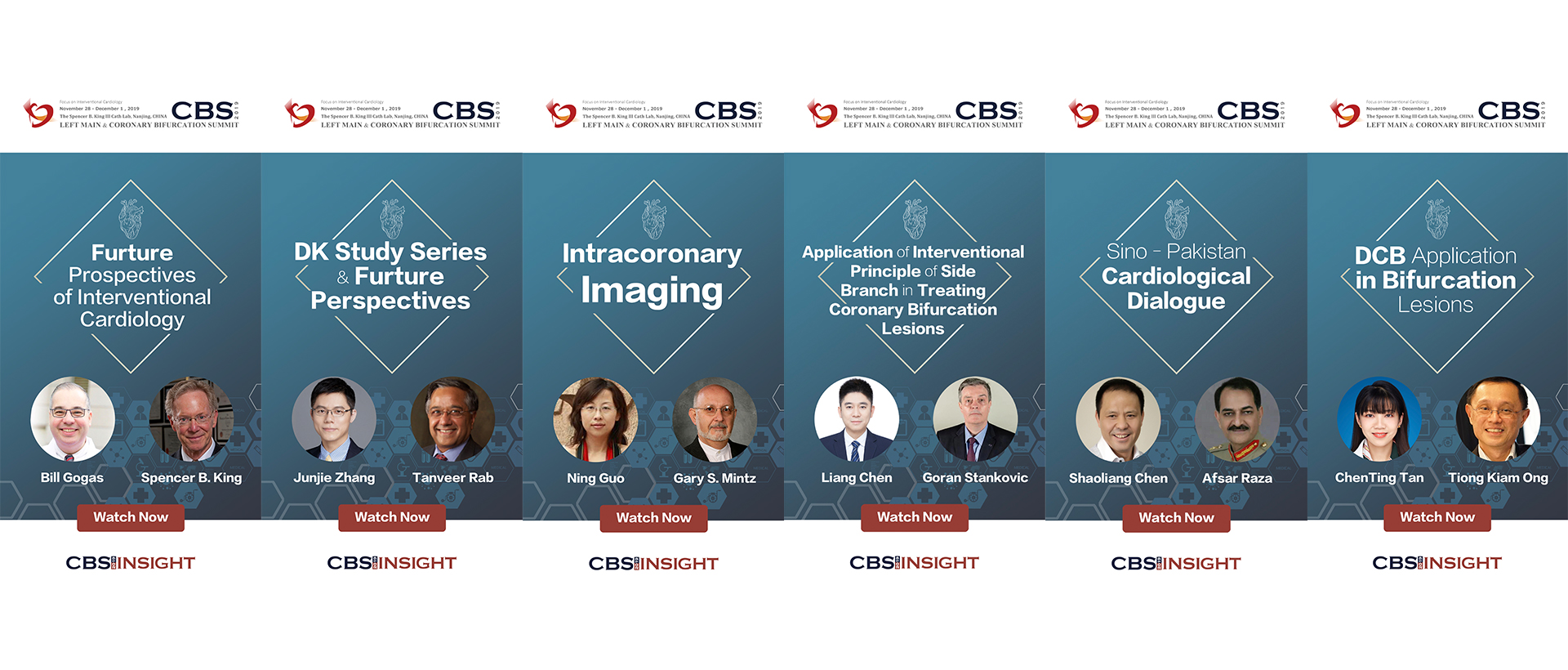
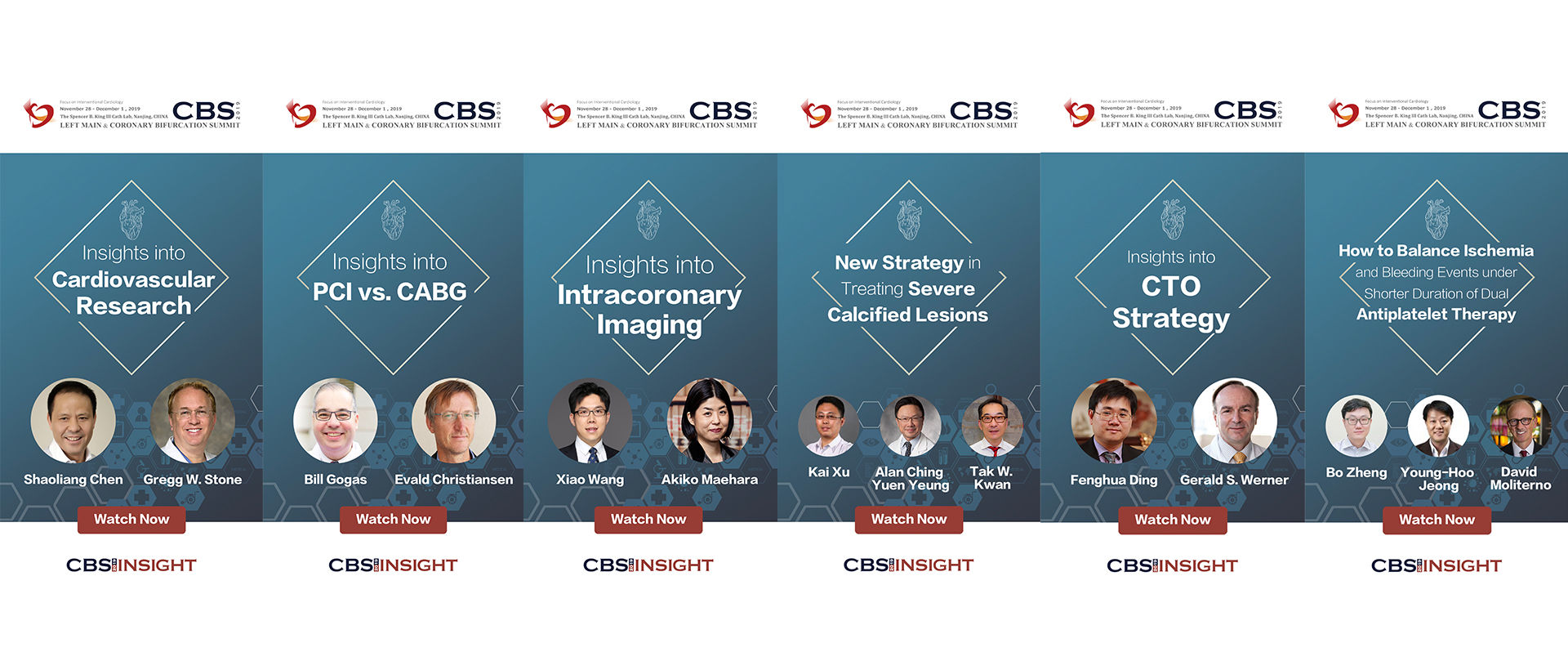
 Education Resource
 CBSMD Scientific Library


