CBS 2019


CBSMD教育中心


HOME


CBS 2019
At CBS


General Information
Association and Affiliations
Organized by
Nanjing Heart Center
Asian Bifurcation Club (ABC)
Nanjing First Hospital, Nanjing Medical University
Co-organized by
Chinese Society of Cardiology (CSC)
Capacity Building and Continuing Education Center,National Health and Family Planning Commission (CBCEC)
American Society for Cardiovascular Angiography and Interventions (SCAI)
Asian Heart Society (AHS)
Contact Us
Registration Administration of Domestic Representatives
Hongjuan Peng : +86-13913895477
Haimei Xu +86-13914736846
 cbsnj@cbsmd.cn
Registration Administration of Overseas Representatives
Ling Lin : +86 (25) 52271398
+86-13951884596
cbs@cbsmd.cn
Management of Challenging Cases
Yingying Zhao :+86-13815408517
sub@cbsmd.cn
Address
 CBS2019 Congress Secretariat, Nanjing First Hospital, Building No.9 68# Changle Road, Nanjing, China
 210006


FACULTY
FACULTY
General Chairman
Congress Chairman


Education Center
Education Center
• Online Education (For more customized user interface with self-defined collection of research papers and education resources.)
• CBS Education Resource


• CBSMD Scientific Library


SCIENTIFIC LIBRARY
SCIENTIFIC LIBRARY


Research Paper
> Acute Coronary Syndrom
> ASCVD Prevention
> Bifurcation Stenting
> Cardio-Oncology
> Congestive Heart Failure
> DAPT Duration
> Drug Coated Balloon
> Fractional Flow Reserve
> IVUS Guidance
> Optical Coherence Tomography
> Pulmonary Hypertension
> Rotational Atherectomy
> Shear Stress
> Stenting Left Main
> Transcatheter Aortic Valve Replacement
> Percutaneous LAA Occlusion
> Mitral/Tricuspid Valvular Disease
> Other Relevant Articles
Recommended Paper
Management of Acute Myocardial Infarction During the COVID-19 Pandemic
COVID-19 and Thrombotic or Thromboembolic Disease: Implications for Prevention, Antithrombotic Therapy, and Follow-up
CSC Expert Consensus on Principles of Clinical Management of Patients with Severe Emergent Cardiovascular Diseases during the COVID-19 Epidemic
ACC Clinical Bulletin Focuses on Cardiac Implications of Coronavirus (COVID-19)
双重抗血小板治疗持续时间
Original Research2020 Aug 4;cvaa245.
JOURNAL:Cardiovasc Res . Article Link
JD Theuerle, AH Al-Fiadh, FMA Islam et al. Keywords: atherosclerosis; coronary arteriosclerosis cardiovascular diseases; cardiovascular disease risk factors; endothelial dysfunction; death; dilatation, pathologic endothelium follow-up life style retinal vessels mortality pharmacology; photopsia; cardiovascular event adverse event; microvascular network
AIMS - Endothelial dysfunction is a precursor to the development of symptomatic atherosclerosis. Retinal microvascular reactivity to flicker light stimulation is a marker of endothelial function and can be quantified in vivo. We sought to determine whether retinal microvascular endothelial dysfunction predicts long-term major adverse cardiovascular events (MACE).
METHODS AND RESULTS - In a single center prospective observational study, patients with coronary artery disease (CAD) or cardiovascular risk factors underwent dynamic retinal vessel assessment in response to flicker light stimulation and were followed up for MACE. Retinal microvascular endothelial dysfunction was quantified by measuring maximum flicker light-induced retinal arteriolar (FI-RAD) and venular dilatation (FI-RVD). In total, 252 patients underwent dynamic retinal vessel assessment and 242 (96%) had long-term follow-up. Of the 242 patients, 88 (36%) developed MACE over a median period of 8.6 years (IQR 6.0-9.1). After adjustment for traditional risk factors, patients within the lowest quintile of FI-RAD had the highest risk of MACE (OR 5.21; 95% CI 1.78, 15.28). Patients with lower FI-RAD were also more likely to die (OR 2.09; 95% CI 1.00, 4.40, per standard deviation decrease in FI-RAD). In Kaplan-Meier analysis, patients with FI-RAD responses below the cohort median of 1.4% exhibited reduced MACE-free survival (55.5 vs. 71.5%; log-rank p = 0.004). FI-RVD was not predictive of MACE.
CONCLUSIONS - Retinal arteriolar endothelial dysfunction is an independent predictor of MACE in patients with CAD or cardiovascular risk factors. Dynamic retinal vessel analysis may provide added benefit to traditional risk factors in stratifying patients at risk for cardiovascular events.
TRANSLATIONAL PERSPECTIVE - Subclinical endothelial dysfunction precedes cardiovascular diseases and can be assessed non-invasively using the retinal microvascular network. Retinal arteriolar endothelial dysfunction is an independent predictor of MACE and all-cause mortality in patients with established coronary artery disease or cardiovascular risk factors. Validation studies and investigation into the lifestyle and pharmacological modifiability of endothelial dysfunction could enhance risk prediction and guide intensification of therapy.


 中 文
中 文




 CBS 2019
 CBS 2019 FACULTY
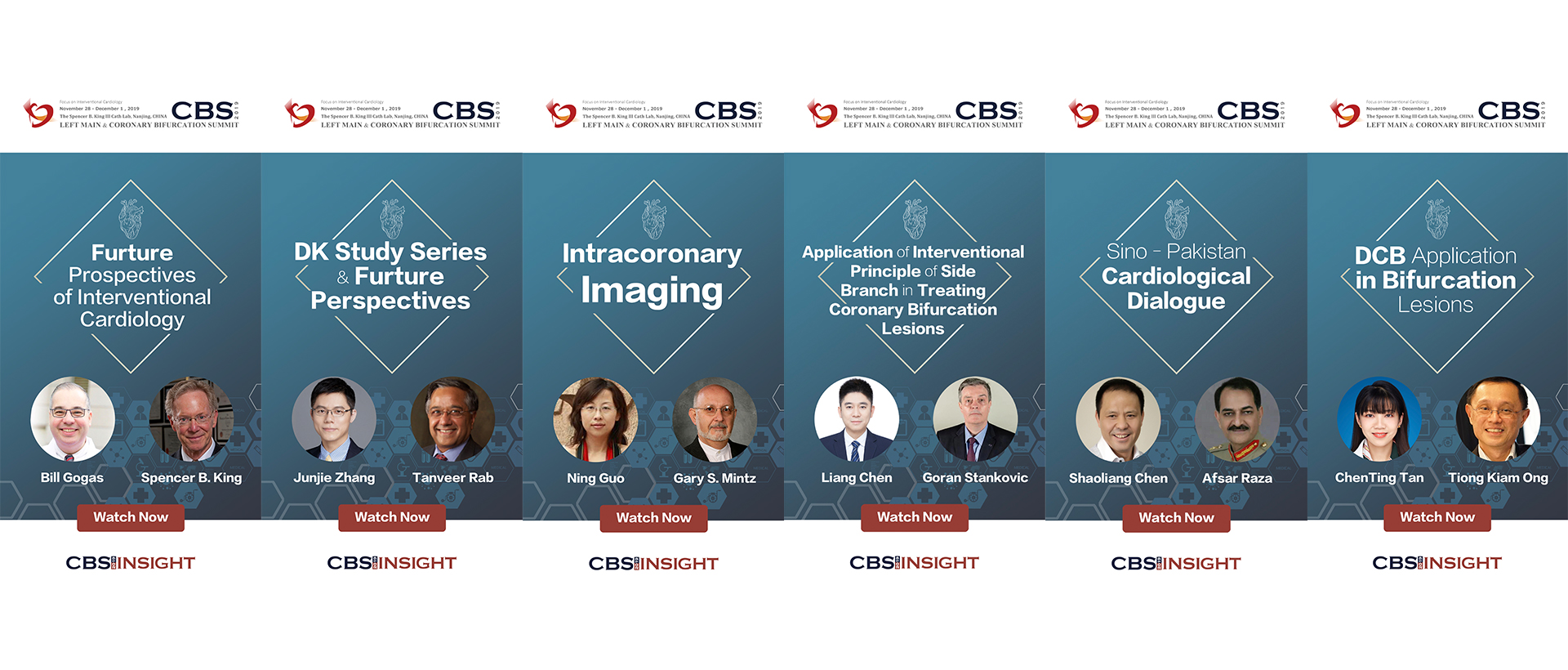
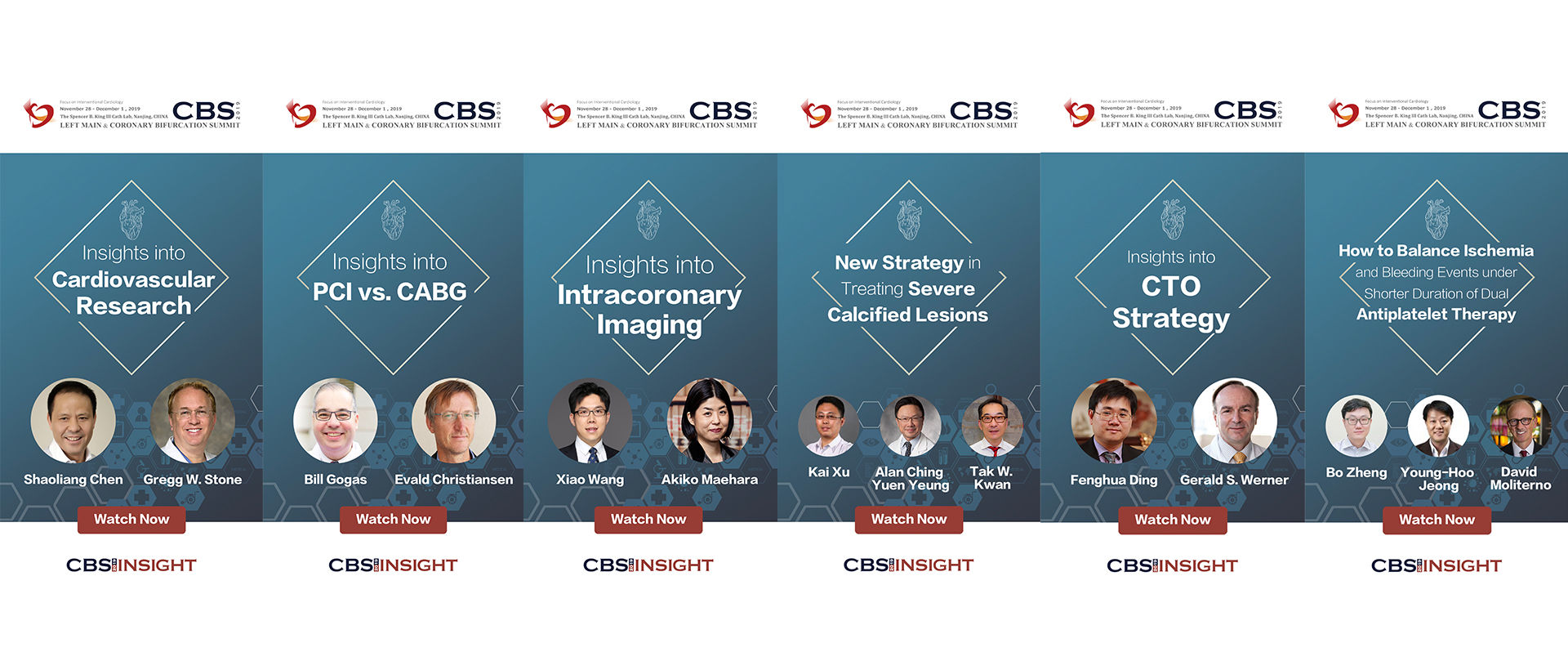
 Education Resource
 CBSMD Scientific Library


