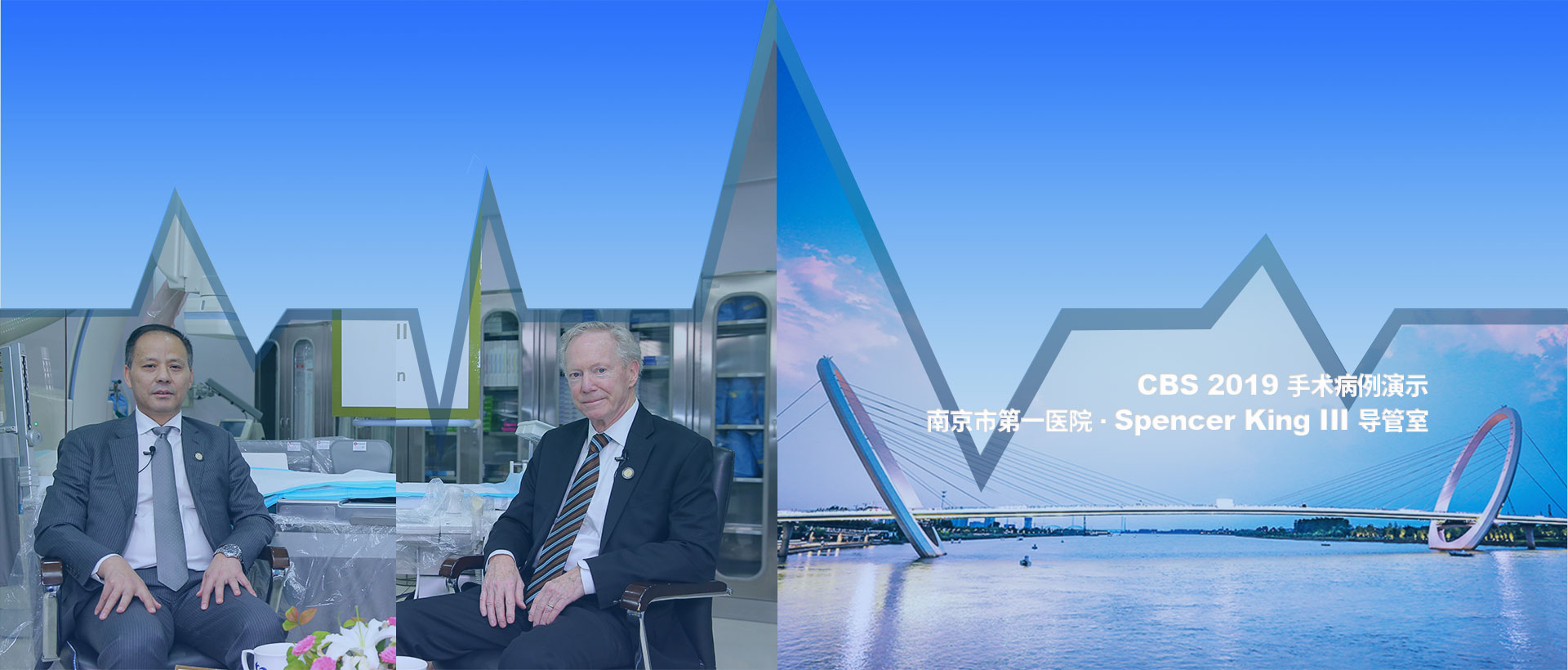
CBS 2019
CBSMD教育中心
English

急性冠脉综合征

科研文章

荐读文献

Mild Hypothermia in Cardiogenic Shock Complicating Myocardial Infarction - The Randomized SHOCK-COOL Trial Circulating MicroRNAs and Monocyte-Platelet Aggregate Formation in Acute Coronary Syndrome 4-Step Protocol for Disparities in STEMI Care and Outcomes in Women Early Natural History of Spontaneous Coronary Artery Dissection Implications of Alternative Definitions of Peri-Procedural Myocardial Infarction After Coronary Revascularization Acute Noncardiac Organ Failure in Acute Myocardial Infarction With Cardiogenic Shock Prognostic Value of the Residual SYNTAX Score After Functionally Complete Revascularization in ACS Recommendations for Institutions Transitioning to High-Sensitivity Troponin Testing JACC Scientific Expert Panel Impact of Percutaneous Coronary Intervention for Chronic Total Occlusion in Non-Infarct-Related Arteries in Patients With Acute Myocardial Infarction (from the COREA-AMI Registry) Characterization of lesions undergoing ischemia-driven revascularization after complete revascularization versus culprit lesion only in patients with STEMI and multivessel disease - A DANAMI-3-PRIMULTI substudy

Clinical Trial2018 Jul 19.[Epub ahead of print]

JOURNAL:Circulation. Article Link

Mild Hypothermia in Cardiogenic Shock Complicating Myocardial Infarction - The Randomized SHOCK-COOL Trial

Fuernau G, Beck J, Thiele H et al. Keywords: Acute Coronary Syndromes, Heart Failure and Cardiomyopathies, Invasive Cardiovascular Angiography and Intervention, Acute Heart Failure, Interventions and ACS

ABSTRACT


BACKGROUND - Experimental trials suggest improved outcome by mild therapeutic hypothermia for cardiogenic shock following acute myocardial infarction. The objective of this study was to investigate hemodynamic effects of mild therapeutic hypothermia in patients with cardiogenic shock complicating acute myocardial infarction.


METHODS - Patients (n=40) with cardiogenic shock undergoing primary percutaneous coronary intervention without classical indication for mild therapeutic hypothermia underwent randomization in a 1:1 fashion to mild therapeutic hypothermia for 24 h or control. The primary endpoint was cardiac power index at 24 h; secondary endpoints included other hemodynamic parameters as well as serial measurements of arterial lactate.


RESULTS - No relevant differences were observed for the primary endpoint cardiac power index at 24 h (mild therapeutic hypothermia vs. control: 0.41 [interquartile range 0.31-0.52] vs. 0.36 [inter-quartile range 0.31-0.48] W/m2; p=0.50, median difference -0.025 [95% confidence interval -0.12 to 0.06 W/m2]). Similarly, all other hemodynamic measurements were not statistically different. Arterial lactate levels at 6, 8 and 10 hours were significantly higher in patients in the MTH group with a slower decline (p for interaction 0.03). There were no differences in 30-day mortality: (60 vs. 50%, hazard ratio 1.27 [95% confidence interval 0.55-2.94]; p=0.55).


CONCLUSIONS - In this randomized trial mild therapeutic hypothermia failed to show a substantial beneficial effect in patients with cardiogenic shock after acute myocardial infarction on cardiac power index at 24 h.


CLINICAL TRAIL REGISTRATION - URL: www.clinicaltrials.gov Unique Identifier: NCT01890317.